
1. Introduction
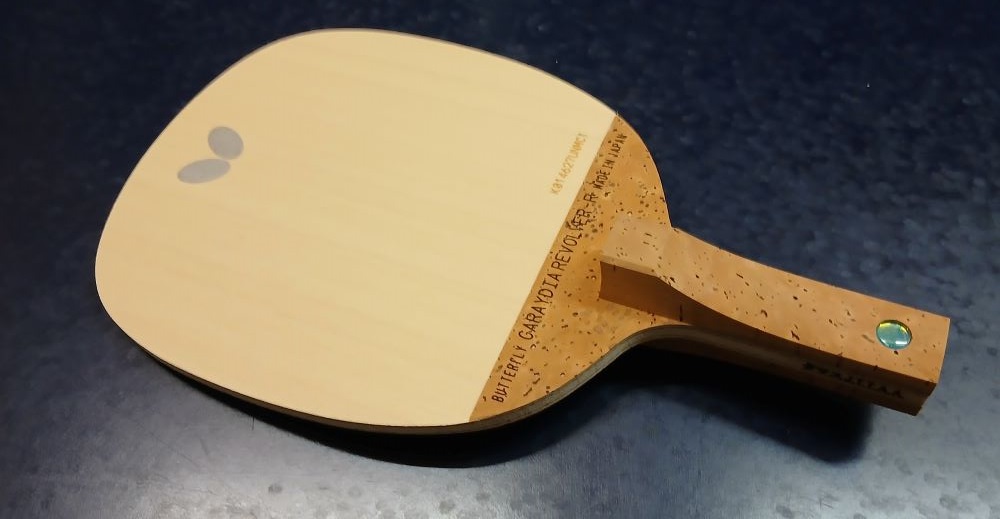
In June 2026, I purchased the Butterfly Galedia Revolver, a reversible penhold table tennis blade.
In this article, I will cover the entire setup process, from unboxing to grip modification, rubber installation, and weight measurement.
Whenever I use a penhold blade, I modify the grip to fit my hand. The stock grip shape often creates pressure points that can cause discomfort during full-power swings.
This article also includes the light grip modification I performed as part of the initial setup.
My goals for this setup were:
- Keep the total racket weight around 150g
- Use max-thickness sticky rubbers on both sides
- Make it easier to produce short serves
- Improve consistency in the short game
- Generate more spin on RPB loops and banana flicks
The Galedia Revolver I received weighed only 58g, which is lighter than the blade’s average weight of approximately 60g.
After modifying the grip, I will also show how much weight was reduced and how the setup progressed.
2. Why I Chose the Galedia Revolver
I have been generally satisfied with my current racket setup.
Current Equipment
- Blade: Paradox (Butterfly, discontinued)
- Forehand Rubber: Dignics 09C (Max Thickness, Butterfly)
- Backhand Rubber: Glayzer (Thick, Butterfly)
However, I recently started facing several issues:
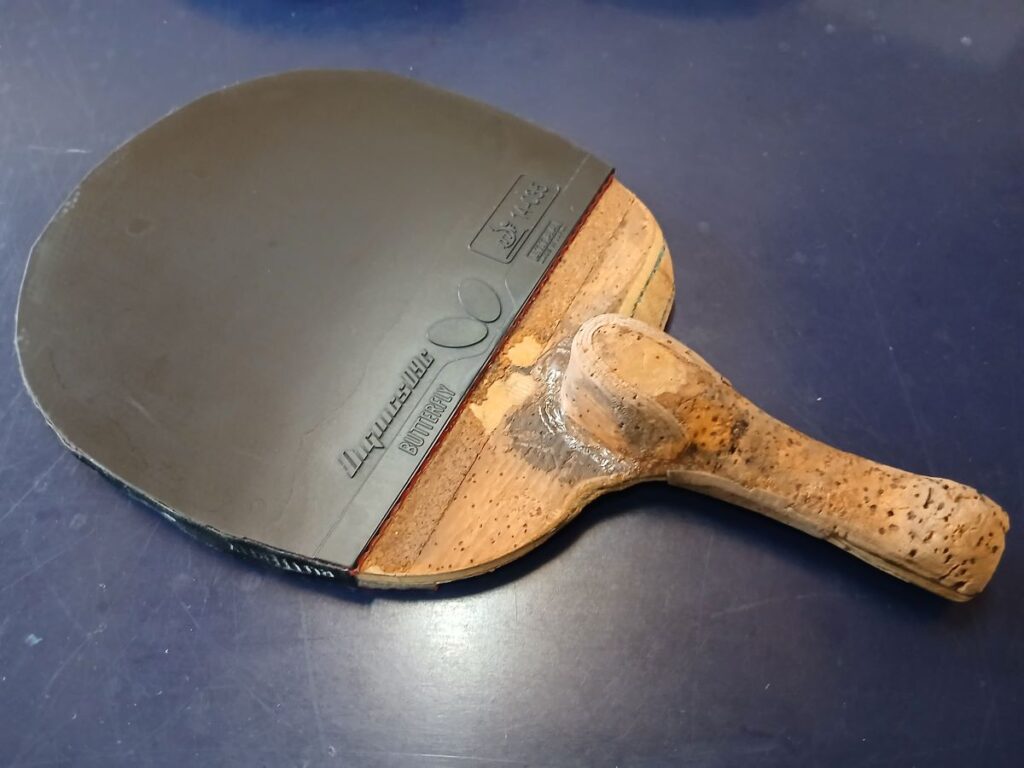
- My Paradox blade has been used for more than 15 years and seems to have absorbed moisture, resulting in reduced performance.
- Dignics 09C performs well, but under pressure I sometimes struggle to keep my serves short.
- Glayzer provides good control, but I wanted a little more spin potential.
Because of these concerns, I decided it was time to make a major equipment change.
I wanted to return to using Chinese sticky rubbers on both sides, so I chose the Butterfly Galedia Revolver, a remarkably lightweight blade despite featuring Arylate-Carbon construction.
The Galedia Revolver is also considered a successor to the Paradox series that I have used for many years. Since I was transitioning from a blade I had become very familiar with, I wanted a model that would make the change as comfortable and natural as possible.
Note: Prices and availability may change over time. Please check the retailer’s website for the latest information.

3. Unboxing the Galedia Revolver
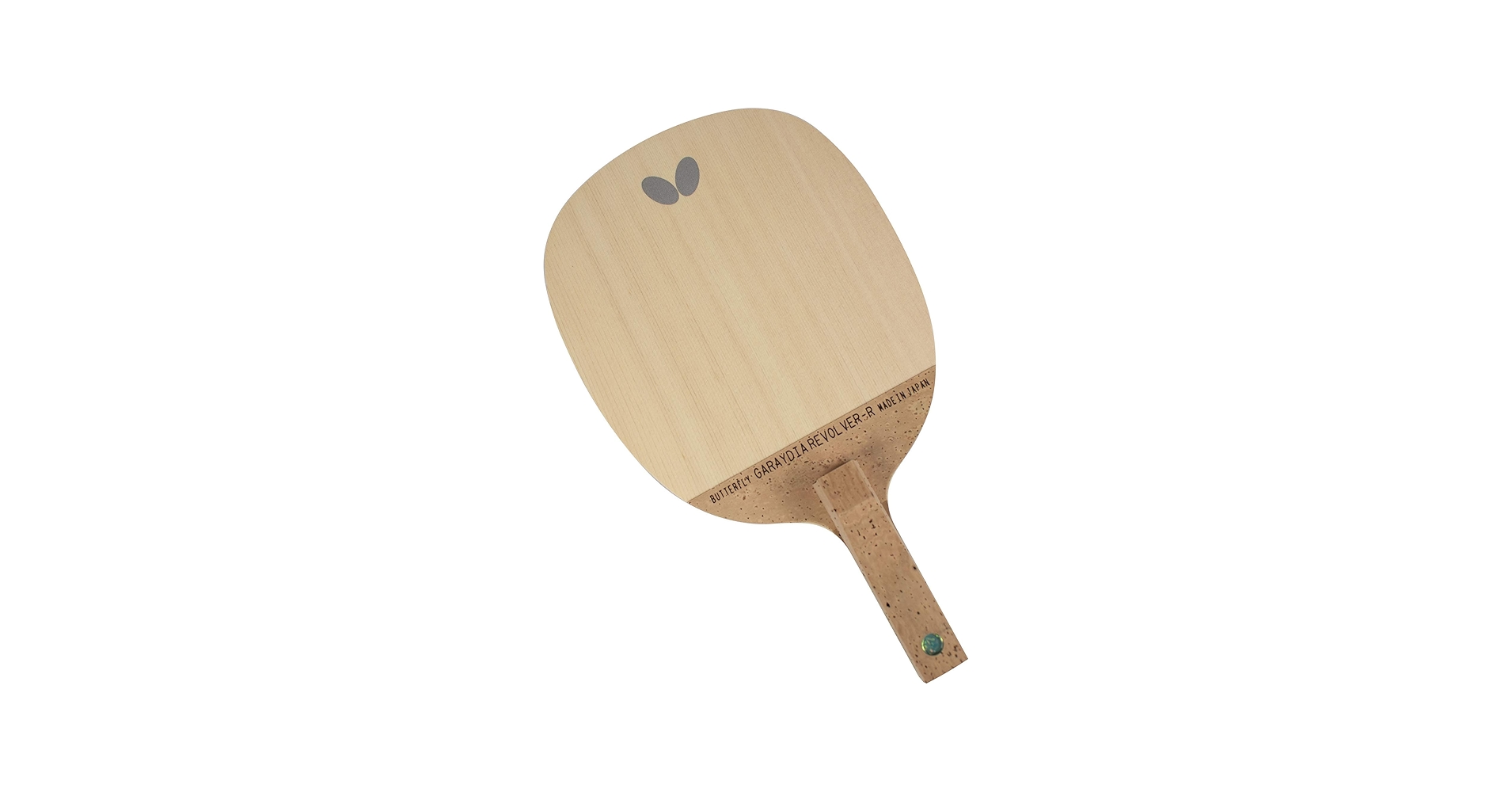
The first thing I noticed after opening the box was how light the blade felt.
The overall finish was also excellent. As expected from a Butterfly product, the craftsmanship looked clean and high-quality.

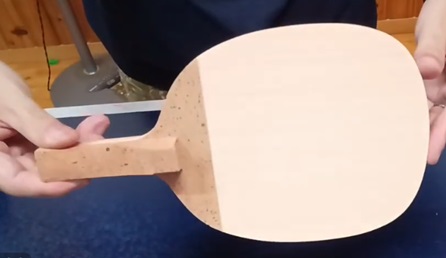
As a reversible penhold blade, the Galedia Revolver features a unique handle design that makes racket flipping easy.
However, I do not use a traditional twiddling style. For that reason, I planned to further modify the grip to better match my preferred hand position and playing style.
4. Weight Measurement
Before making any modifications, I measured the weight of the blade.
Weight Before Modification
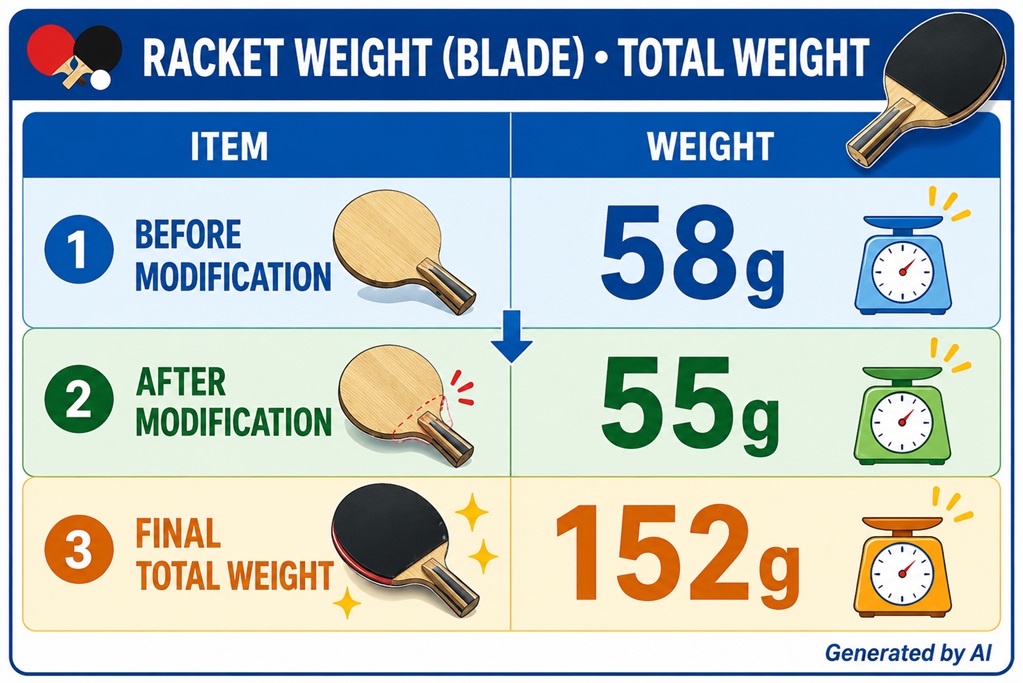
Blade Weight: 58g
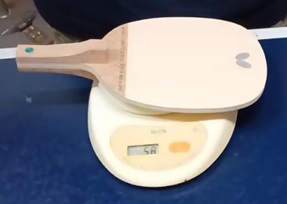
For an Arylate-Carbon penhold blade, 58g is exceptionally light.
After measuring the blade, I began the first stage of grip modification.
When modifying a penhold blade, I prefer to remove material gradually over several sessions rather than making large changes all at once. This helps reduce the risk of sanding away too much and making irreversible mistakes.
If you would like to learn more about my grip modification process, please see the article below.

5. Starting the Grip Modification
I started by lightly sanding the areas where my thumb and index finger make contact with the handle.
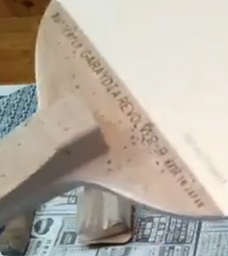
Grip modifications are irreversible once material has been removed. For that reason, I recommend making small adjustments gradually rather than sanding too much at the beginning.
Most of the material removed during this stage came from the cork section of the handle.
Many penhold players sand the cork on the back side of the handle to make it easier to adjust the racket angle during forehand strokes. I prefer this approach as well because it improves both comfort and racket angle control.

There is still room for additional modification, but since this was only the first round of sanding, I decided to stop here for now.
In my opinion, the grip modification is only about 20% complete at this stage. The blade has not yet reached its final shape.
I plan to continue making small adjustments after testing the blade in actual practice sessions.
6. Weight After Modification
Here is the blade weight after the first round of grip modification.
Weight After Modification
Blade Weight: 55g
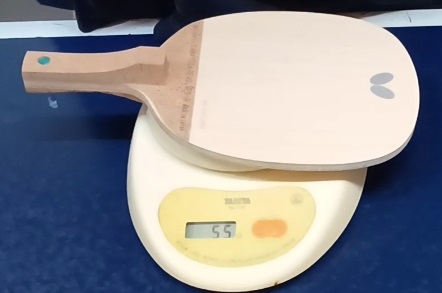
As a result, I successfully reduced the blade weight by 3g.
Although 3g may not sound significant, it is enough to noticeably change the handling characteristics of a Chinese penhold racket.
After my first practice session with this setup, I found that part of the cork still contacted my palm during forehand loops and slightly interfered with my swing.
The grip modification is not yet complete, and I plan to continue making adjustments as I spend more time playing with the blade.
7. Rubber Setup
Next, I installed the rubbers.
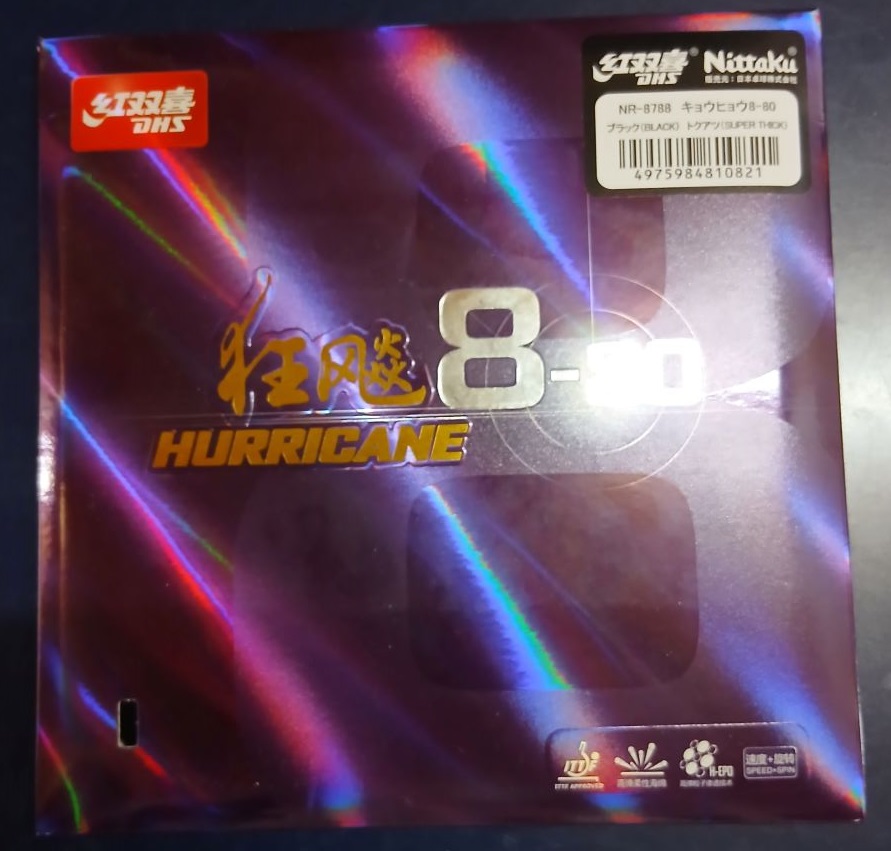
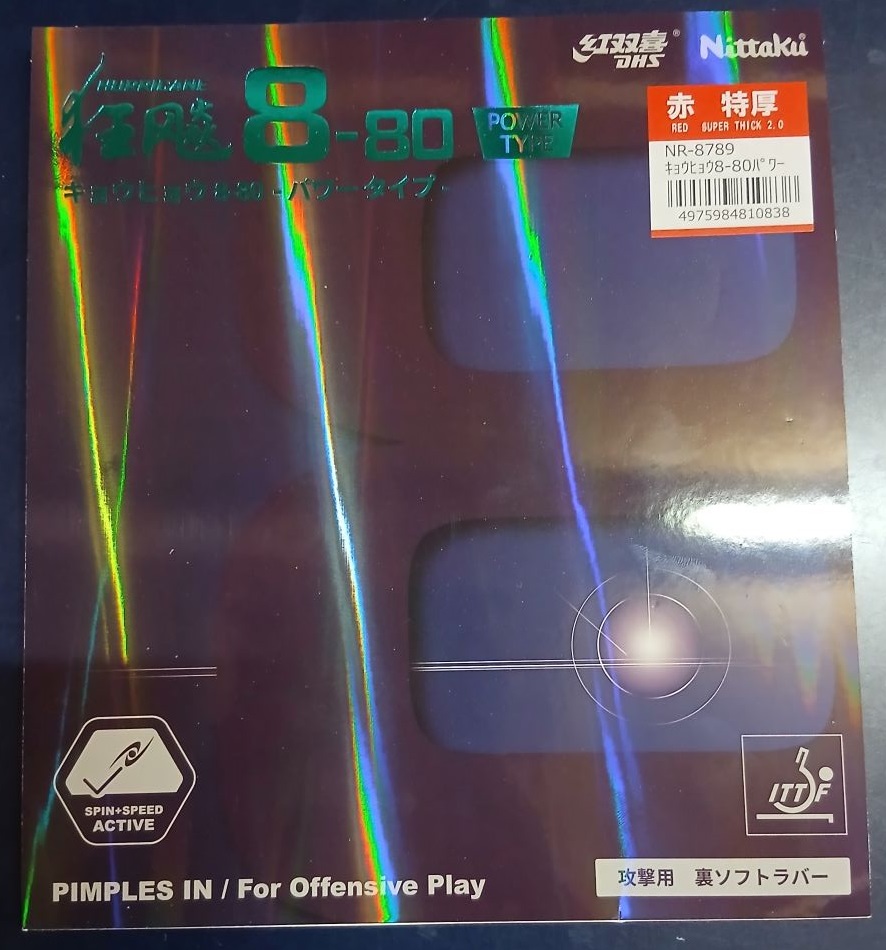
Forehand Side
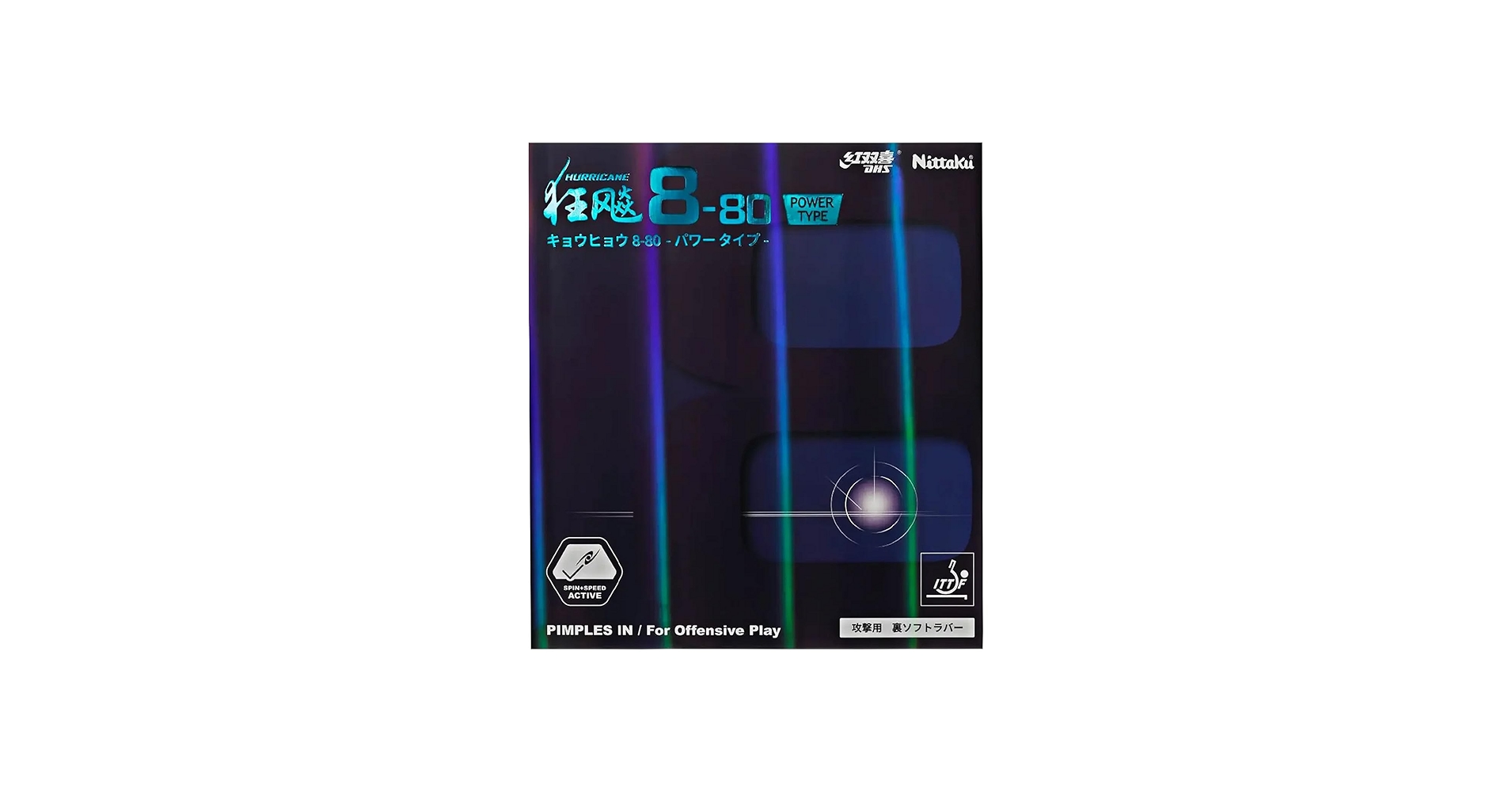
Nittaku Kyohyo 8-80 Hurricane (Max)
Backhand Side
Nittaku Kyohyo 8-80 Power (Max)
The concept behind this setup was simple:
“Maximum spin and deceptive spin, even if the rubbers are heavy.”
My goal was to keep the overall racket weight manageable by using an extremely lightweight blade while still taking advantage of heavier sticky rubbers. In the next section, I’ll show the final assembled weight.
I will explain in more detail why I selected different Hurricane 8-80 rubbers for the forehand and backhand sides in a future article.
If you would like to learn more about deceptive spin and its effect on opponents, please see the article below.

I used Chinese sticky rubbers for many years in the past, so this setup marks my return to the Hurricane series. I chose these rubbers because I expect strong spin generation and excellent deceptive-spin characteristics.



8. Final Weight
Here is the final weight after installing both rubbers.
Total Weight
Total Racket Weight (Including Both Rubbers): 152g
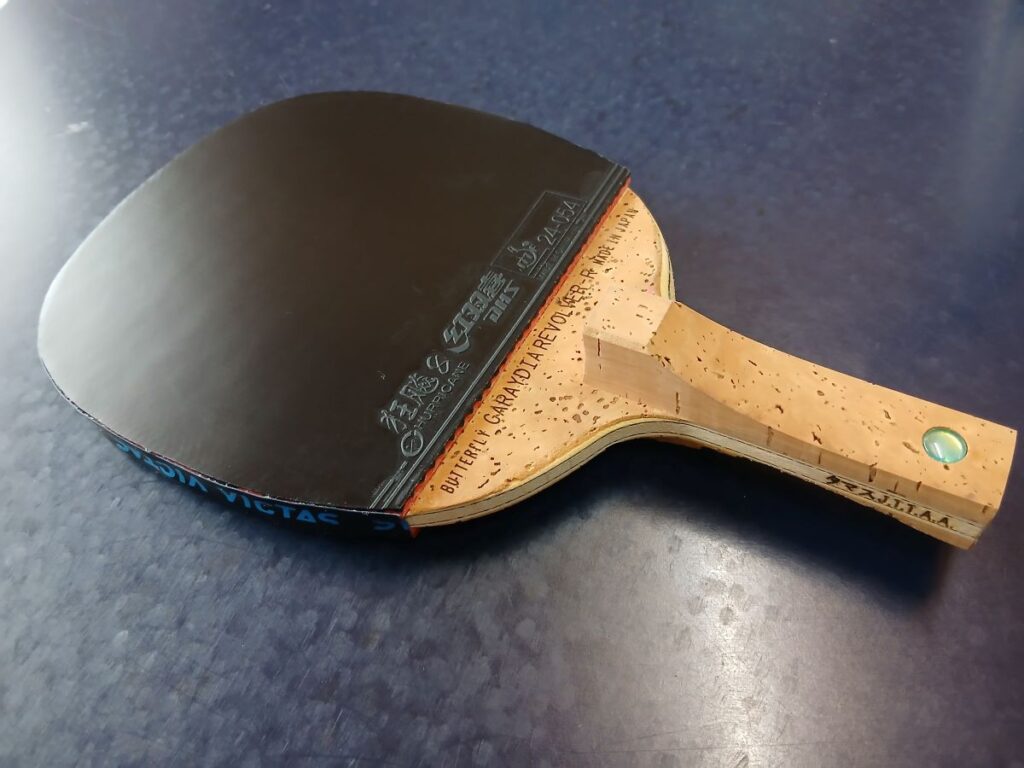
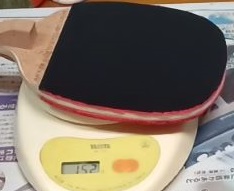
My current racket setup also weighs around 150g, so a final weight of 152g is well within my acceptable range.
The grip modification is still a work in progress. As I continue refining the handle, there is a good chance the total weight will be reduced closer to 150g.
The completed racket weighs 152g. I will discuss the actual playing characteristics and on-table performance in my upcoming first-impressions review.
9. First Impressions After the Setup
So far, I have only tested the racket with basic ball bouncing and serve practice, but my initial impressions are very positive.
- Surprisingly light despite using max-thickness sticky rubbers on both sides
- Easy access to heavy spin
- Excellent racket maneuverability
These are the areas that stood out to me the most.
In particular, I found it very easy to produce short serves with strong backspin.
I’m looking forward to seeing how the racket performs during full practice sessions and competitive play.
10. Conclusion
In this article, I covered the entire setup process of the Butterfly Galedia Revolver, from unboxing to grip modification and final assembly.
- Weight Before Modification: 58g
- Weight After Modification: 55g
- Final Racket Weight: 152g
These were the final results.
By reducing the blade weight and customizing the grip, I was able to create a setup that is much closer to my personal preferences.
The biggest success was keeping the total racket weight at just 152g despite using max-thickness sticky rubbers on both sides.
I also recorded a video showing this setup process. Feel free to check it out below.
I have also published a detailed review of the Galedia Revolver R based on actual practice sessions.
In that article, I discuss the racket’s balance, forehand-to-backhand transitions, and important considerations for RPB play, so be sure to check it out as well.






コメント