1. Introduction
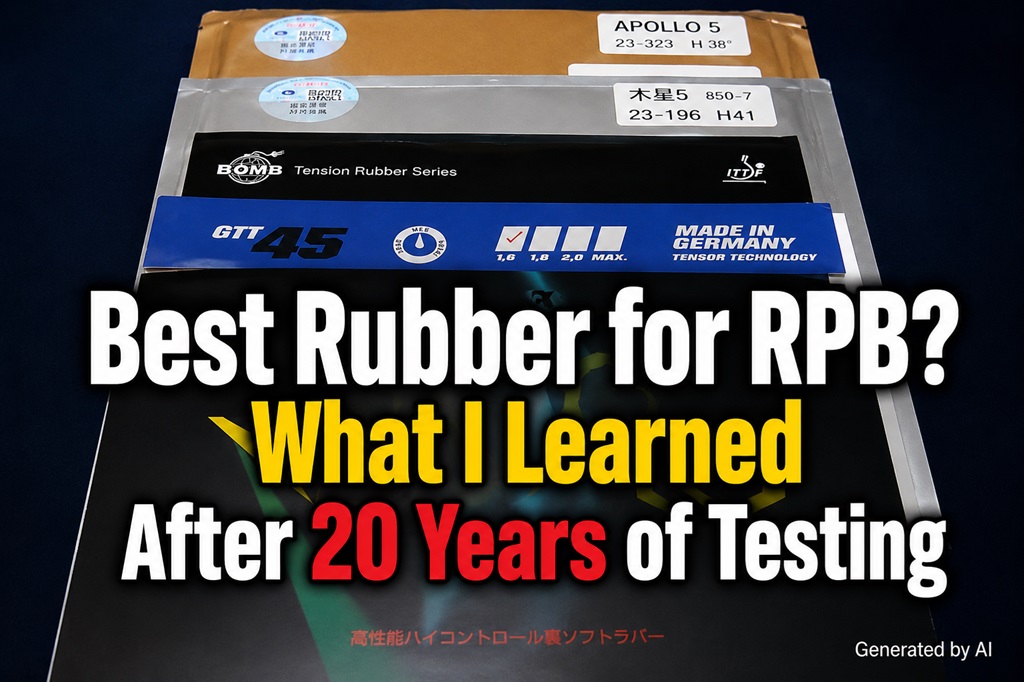
What makes a good rubber for the Reverse Penhold Backhand (RPB)?
For nearly 20 years, I have worked to improve my RPB technique. During that journey, one of my biggest challenges was choosing the right rubber.
Many players recommend the following characteristics for an RPB rubber:
- Soft sponge
- Lightweight
- Fast
These are often considered the ideal qualities for RPB.
I followed this advice and tested a wide range of rubbers, mainly classic rubbers and tensor rubbers. However, I never found one that made me think, “This is exactly what I’ve been looking for.”
After years of trial and error, I started asking myself a simple question:
“What is the skill I want to use most with my RPB?”
That question completely changed the way I approached rubber selection. Instead of following general recommendations, I began choosing rubbers based on my own playing style and priorities.
In this article, I’ll explain how my approach to choosing an RPB rubber changed after 20 years of trial and error, and introduce the rubber that stood out the most.
2. Rubbers I Tested
Over the years, I tested a surprisingly large number of rubbers in search of the right one for RPB. Looking back at my old notes, I realized just how obsessed I was with finding the perfect match.
- Mark V 30°
- Catapult
- Innova Ultra Light
- Flextra
- Eclipse
- Sriver FX
- Sriver G2 FX
- Bryce FX
- Tenergy 05 FX
- Roundell
- Flyatt Soft
- Many other control-oriented rubbers
You may notice a common pattern in this list. I faithfully tested the types of rubbers that are often recommended for RPB: soft, lightweight, and fast.
Looking back, I accepted the common belief that the ideal RPB rubber should be soft, light, and highly responsive.
All of these rubbers had their own strengths, and many were excellent products. However, none of them felt like the perfect fit for my game.
One reason was that I placed a high priority on spin in my RPB. Compared with what I was looking for, many of these rubbers simply did not generate enough spin.
In hindsight, there was something more important than rubber selection itself:
First, identify which RPB skill you want to make your biggest weapon.
3. Identifying the Most Important RPB Skill
Even after more than 10 years, I still had not found a rubber that felt ideal. However, I continued practicing RPB and gradually became confident enough to use it regularly in matches.
Then one question came to mind:
“I’ve tested countless rubbers, but what is the skill I want to use most with my RPB?”
After thinking about it carefully, I realized that the shot I used most often—and the one that won me the most points—was the RPB Chiquita receive.
Because it allowed me to take the initiative directly from the serve receive, it became one of the most important parts of my game.
For my RPB Chiquita receive, the ideal rubber needed three key characteristics:
- Not overly bouncy
- High spin potential
- Lightweight
In other words, I didn’t need a general-purpose RPB rubber. I needed a rubber that met these specific requirements.
Looking back, it’s no surprise that many of the rubbers I tested never felt quite right.
I thought I was searching for the best rubber for RPB, but what I really needed was the best rubber for the RPB Chiquita receive.
Since I wanted strong spin without excessive speed, I eventually concluded that a tacky rubber was the best option for my style.
As for weight, I realized that choosing a thinner sponge could solve that problem—even with a tacky rubber.
4. The Rubber I Finally Chose: YINHE Apollo 5 Ultra-Thin
After years of trial and error, the rubber I finally settled on was:
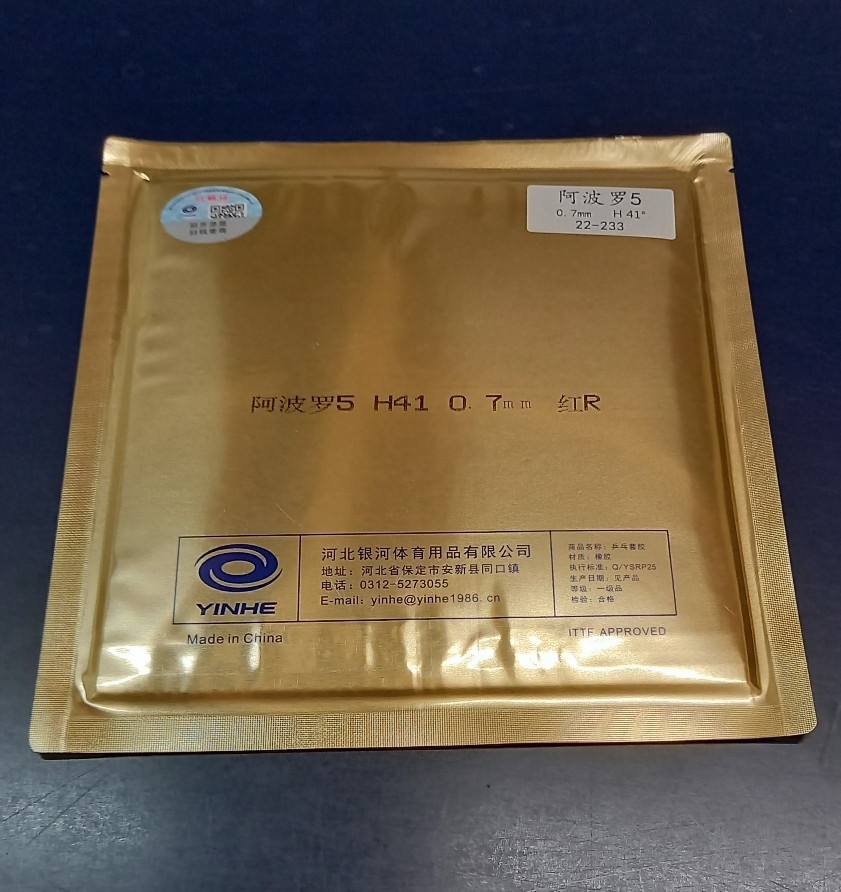
YINHE Apollo 5 Ultra-Thin
For my style of play, it offered an excellent balance of spin, control, and low weight. Because it generated heavy spin without being overly bouncy, it was particularly well suited to the RPB Chiquita receive.
This rubber is an ultra-thin version of the tacky Apollo 5 rubber made by the Chinese manufacturer YINHE.
It is sold by the table tennis equipment retailer World Rubber Market (WRM).
I also use Apollo 5 38° on my forehand, so my setup ended up being Apollo 5 on both sides. However, because the sponge thickness is completely different, the playing characteristics feel nothing alike.
Note: The package is the same as the standard Apollo 5 38° version.
5. Why I Liked the YINHE Apollo 5 Ultra-Thin
There were four main reasons why I liked this rubber at the time.
(1) Outstanding Spin Potential
Apollo 5 is a tacky rubber designed with spin as its primary strength.
When I used it for an RPB Chiquita receive, the ball would often curve sharply after bouncing on the opponent’s side of the table—sometimes enough to make opponents miss the ball entirely.
Its excellent spin capability made it especially effective for the spin-focused receive game that I relied on.
(2) Surprisingly Offensive for an Ultra-Thin Rubber
Against long serves, I was still able to play quality RPB topspins, including both heavy loop drives and faster attacking drives.
Ultra-thin rubbers are often associated with defensive play, but this rubber still provided enough offensive potential for my style.
Note: Because it is not overly bouncy, it is naturally less powerful than modern tensor rubbers.
(3) Excellent for Flat Hits
When attacking a high ball over the table, flat hits felt easy to execute and produced good speed.
Another interesting characteristic of ultra-thin rubbers is that they can produce a more knuckle-like ball. While this is only my personal impression, many opponents seemed to have difficulty handling these shots.
(4) Ideal for the RPB Chiquita Receive
This was the feature I valued most.
Even when I applied heavy spin on a Chiquita receive, the ball never felt overly bouncy. That allowed me to swing confidently without worrying about overshooting the table.
Among all the rubbers I tested, Apollo 5 Ultra-Thin came closest to meeting the requirements I had been searching for over many years.
6. Final Thoughts
Over the years, I tested many rubbers that were commonly recommended for RPB—soft, lightweight, and fast rubbers. Looking back, however, I feel that I took a long detour.
It took me many years to realize that the most important step was not choosing a rubber, but identifying which RPB technique I wanted to build my game around.
For me, the key was not finding the best rubber for RPB. It was finding the best rubber for the RPB Chiquita receive.
Every player uses RPB differently, so the ideal rubber will vary from person to person.
Although I now use a different rubber, Apollo 5 Ultra-Thin was a special rubber for me because it matched the requirements I had been searching for over many years.
I hope this article helps you find the right rubber for your own RPB style.
If you want to build your game around the RPB Chiquita receive and prefer a rubber that offers strong spin without excessive bounce, the following rubbers may also be worth considering.
Butterfly Tackiness Chop II
I used the Tackiness series myself and was impressed by its control and spin. It remains a good option for spin-focused RPB receives.


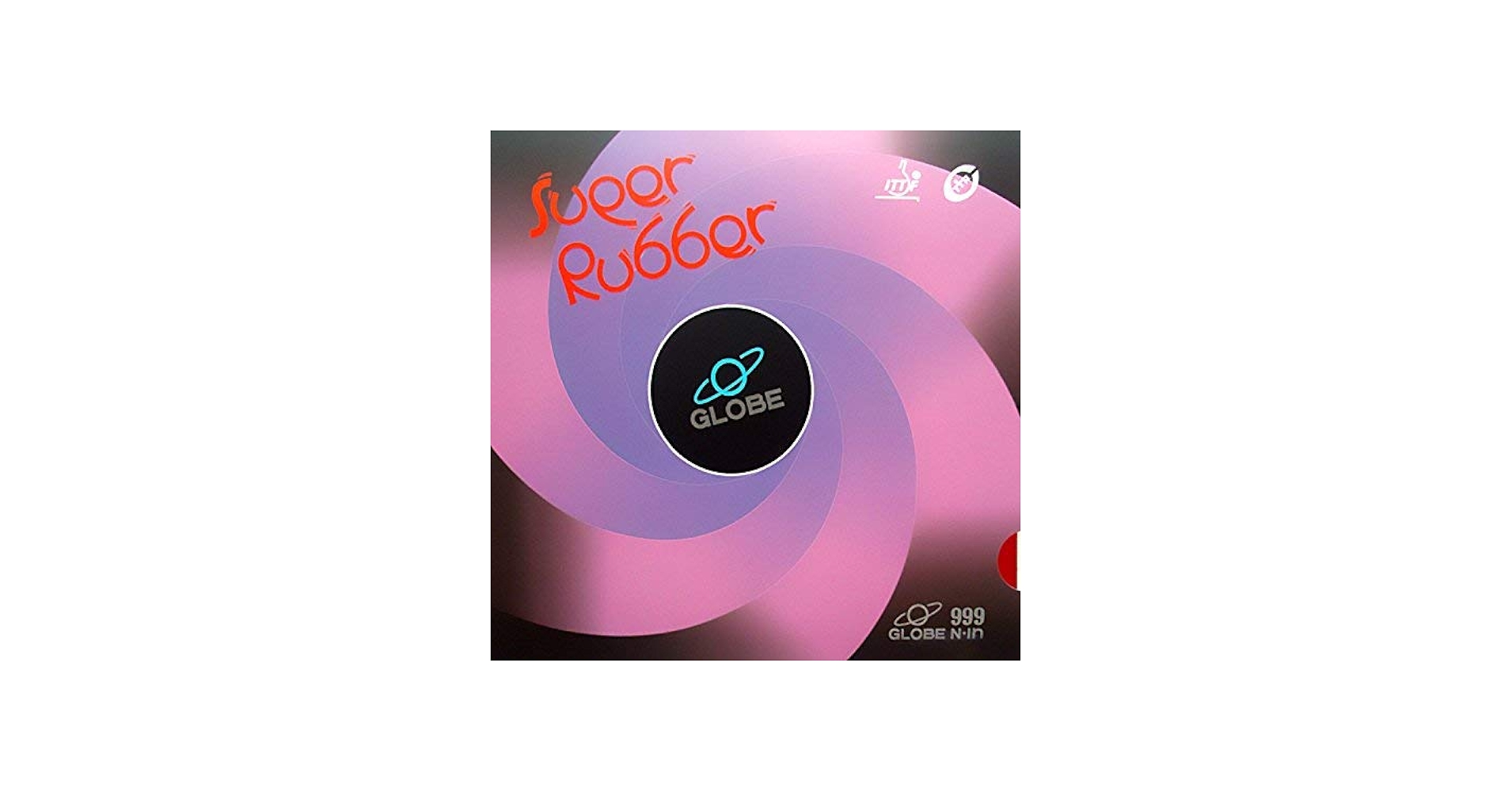
Globe 999 Pips-In (1.0 mm)
If you are looking for a traditional Chinese-style tacky rubber, Globe 999 may also be worth considering because of its reputation for strong spin and control.

Ultimately, the right rubber is the one that best supports the RPB techniques you rely on most.

コメント