.jpg)
1. Introduction
Chinese penhold rackets have become increasingly popular in recent years because they allow players to use the Reverse Penhold Backhand (RPB) technique.
However, choosing the right racket can be confusing. Every manufacturer offers different blade shapes, weights, and grip sizes, making it difficult to know which one is the best choice.
In particular, players switching from Japanese Penhold to Chinese Penhold should choose their racket carefully. I made the same transition about 20 years ago, and selecting the right racket was much more difficult than I expected.
After trying several rackets, I realized that comfort and weight were more important than pure performance.
In this article, I’ll introduce four important tips to help beginners and Japanese Penhold players choose the right Chinese Penhold racket with confidence.
2. Key Points for Choosing a Chinese Penhold Blade
When choosing a Chinese Penhold blade, keep the following four points in mind. In particular, if you are switching from Japanese Penhold, pay close attention to the grip and weight.

(1) Choose a Blade with a Thin Grip
This is the most important point I want to share in this article.
The first Chinese Penhold blade I used was made by Darker. However, the first thing I noticed wasn’t its performance.
“The grip is too thick and uncomfortable to hold!”
That was my honest first impression.
Japanese Penhold blades are generally designed with thinner grips than Chinese Penhold blades. In addition, many Japanese Penhold players sand down the cork on the back of the grip to make forehand strokes easier.
As a result, players who are used to Japanese Penhold may find the grip of a standard Chinese Penhold blade too thick and difficult to handle.
Although you’ll probably get used to it over time, I recommend choosing a blade with a relatively thin grip if you’re a beginner or switching from Japanese Penhold. It will feel more comfortable and make the transition much smoother.
(2) Choose a Lightweight Blade
Since Chinese Penhold rackets use rubber on both sides, the finished weight can easily exceed 180 g.
A racket that is too heavy can reduce swing speed and put extra strain on your wrist. If you’re a beginner or switching from Japanese Penhold, I recommend starting with a lightweight blade.
I’ll publish a detailed article about the ideal weight of Chinese Penhold blades in the near future.
(3) Avoid an Oversized Blade
Larger blades provide a bigger sweet spot and better stability. However, they also require more rubber, which increases the racket’s overall weight.
Chinese Penhold relies on precise wrist and finger control. This is especially important when using the Reverse Penhold Backhand (RPB), where quick racket movement and fast angle changes are essential.
For beginners and players switching from Japanese Penhold, I recommend choosing a blade with a standard or slightly smaller head size.
(4) Avoid a Blade That Is Too Thick
Chinese Penhold blades come in a wide range of thicknesses, from less than 5 mm to nearly 8 mm.
If you use a thick blade with rubber on both sides, it may feel much thicker than a Japanese Penhold racket.
Japanese Penhold rackets usually have rubber on only one side, so players rarely think about the overall thickness of the racket. In contrast, Chinese Penhold rackets have rubber on both sides, which makes the grip feel quite different.
Although you’ll get used to it over time, beginners and players who have recently switched to Chinese Penhold will usually find a thinner blade more comfortable and easier to adapt to.
3. Recommended Chinese Penhold Blades
Here are two Chinese Penhold blades that meet the four key criteria discussed in the previous section: light weight, a thin grip, a standard or slightly smaller head size, and a thin blade.
These blades are especially recommended for players switching from Japanese Penhold or those who want to start using the Reverse Penhold Backhand (RPB).
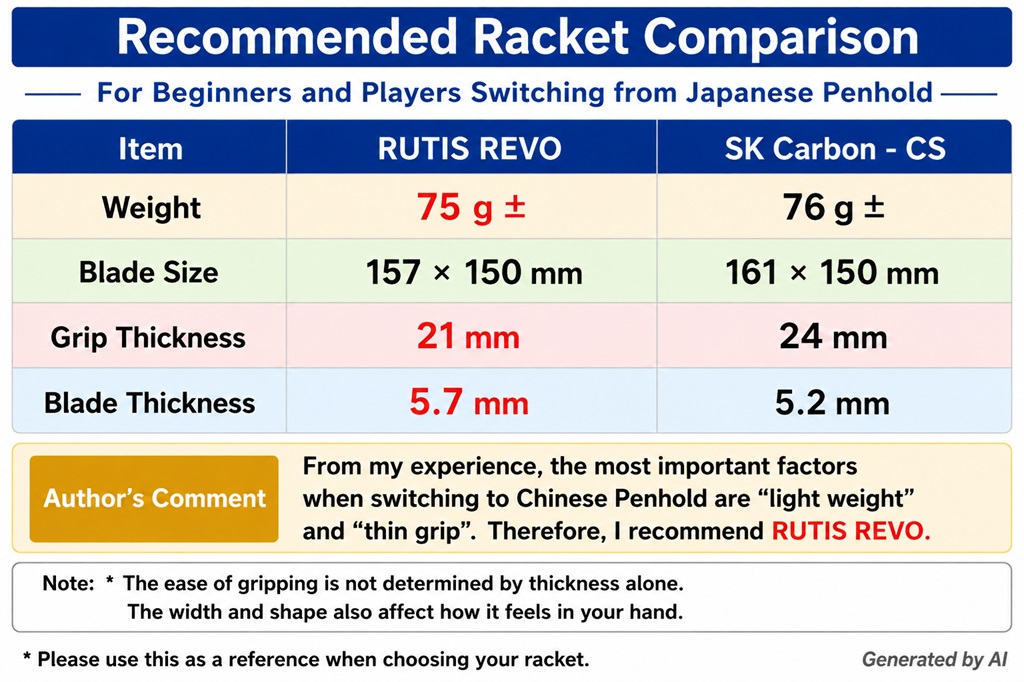
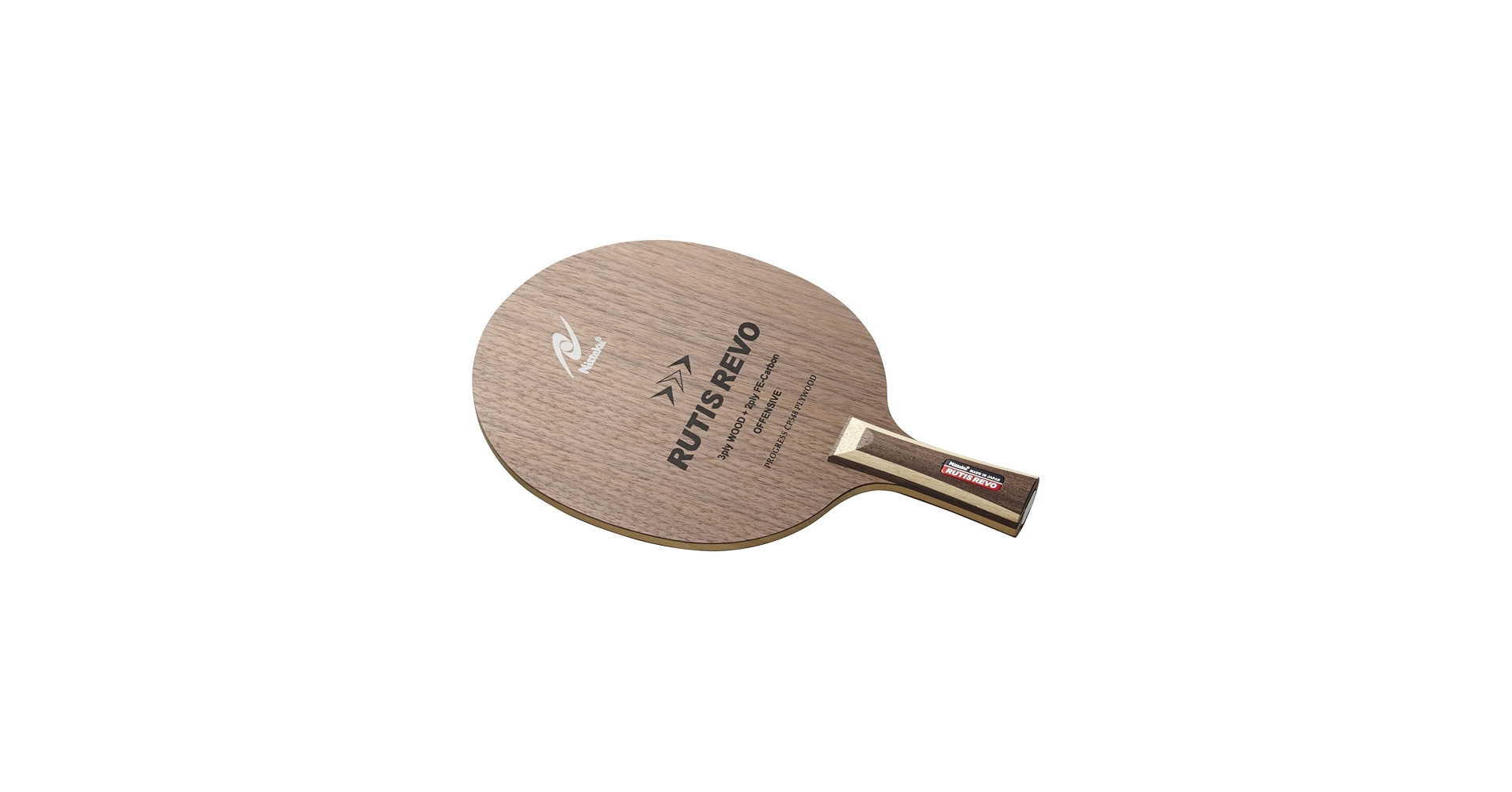
(1) RUTIS REVO (Nittaku)
This is one of the Chinese Penhold blades that I personally find easy to use.
Its light weight, thin grip, and standard head size make it easy to handle, even for players switching from Japanese Penhold.
I used the CP548 for many years. It featured a light weight, a thin grip, and a slightly smaller blade, making it an excellent choice for comfortable play.
Although the CP548 has been discontinued, the RUTIS REVO was introduced as its successor.

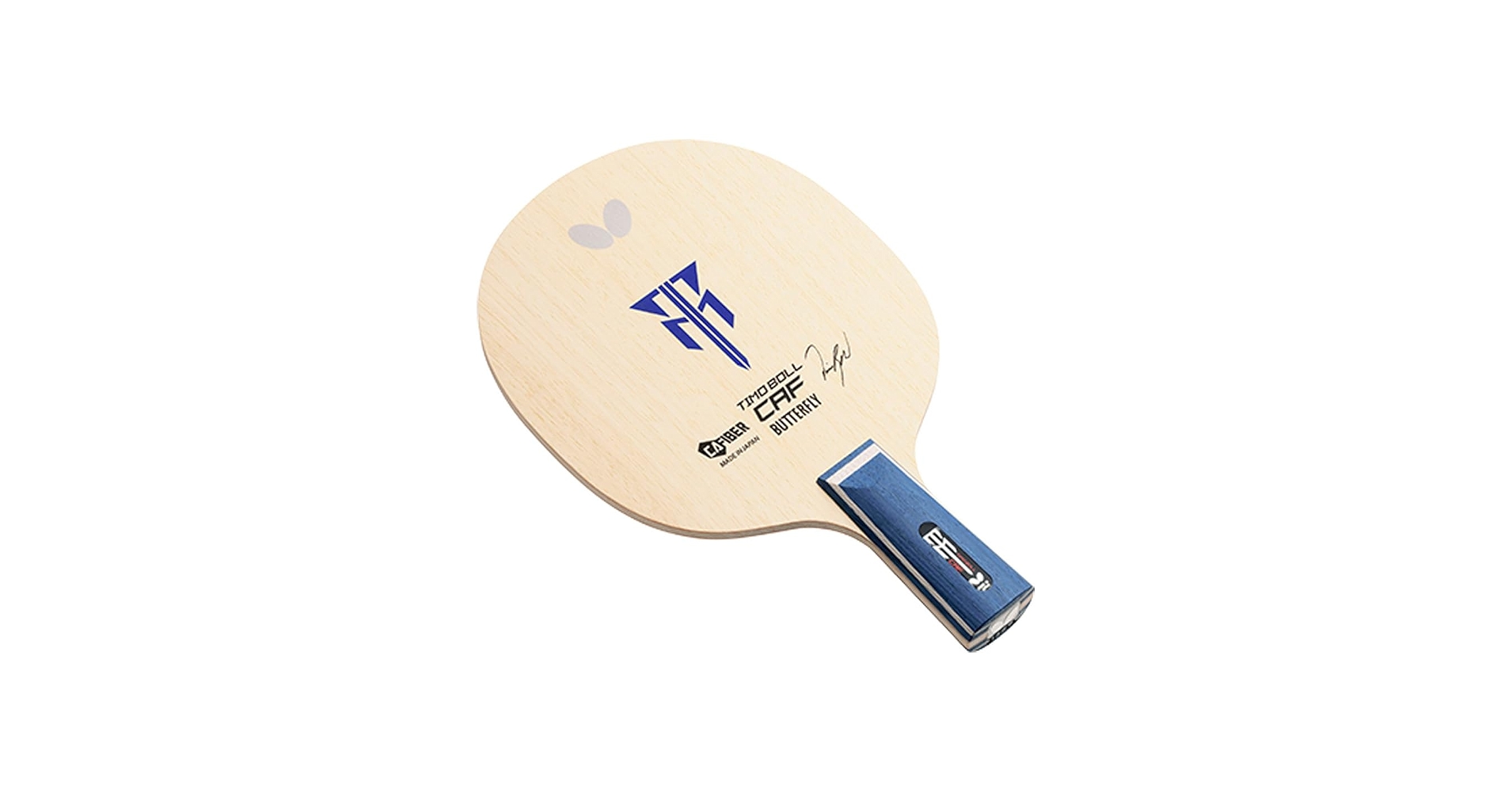
(2) Timo Boll CAF-CS (Butterfly)
The Timo Boll CAF-CS is another lightweight Chinese Penhold blade that is easy to handle. It features a 3-ply wood + CA Fiber construction, making it a good option for players who want to switch from an all-wood blade to a composite blade.

4. If Chinese Penhold Doesn’t Feel Right
So far, I’ve introduced several Chinese Penhold blades. However, some players may feel:
“I just can’t get used to the grip of a Chinese Penhold blade.”
“I want to try the Reverse Penhold Backhand (RPB) while keeping the feel of a Japanese Penhold grip.”
If that sounds like you, there’s another option.
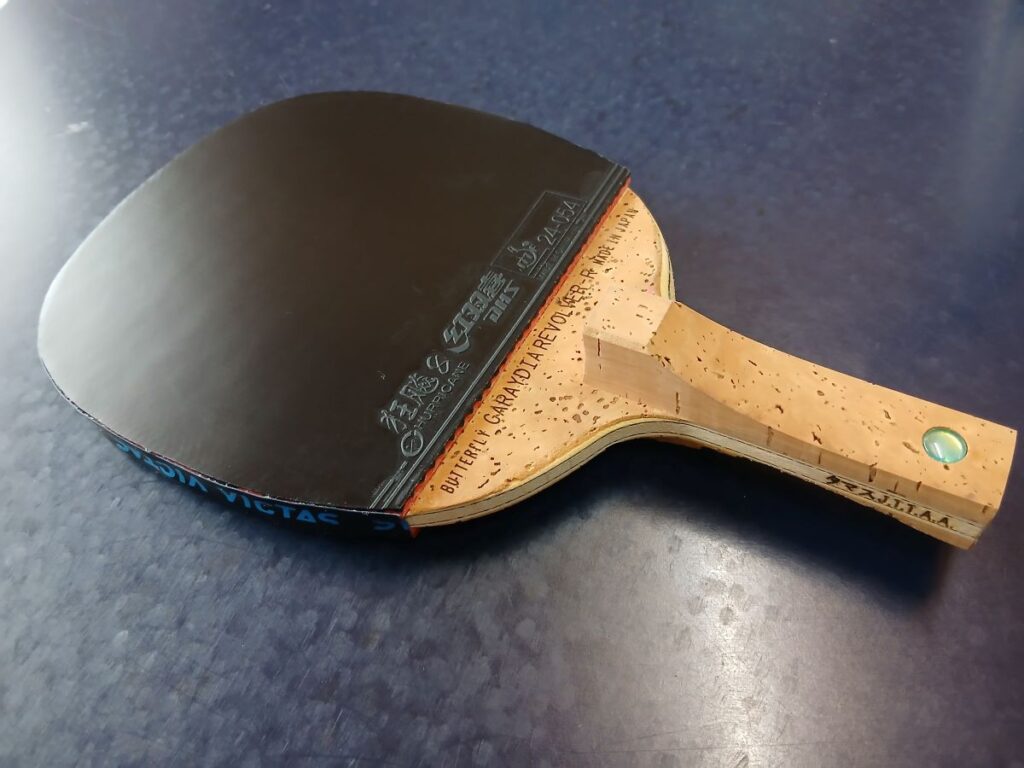
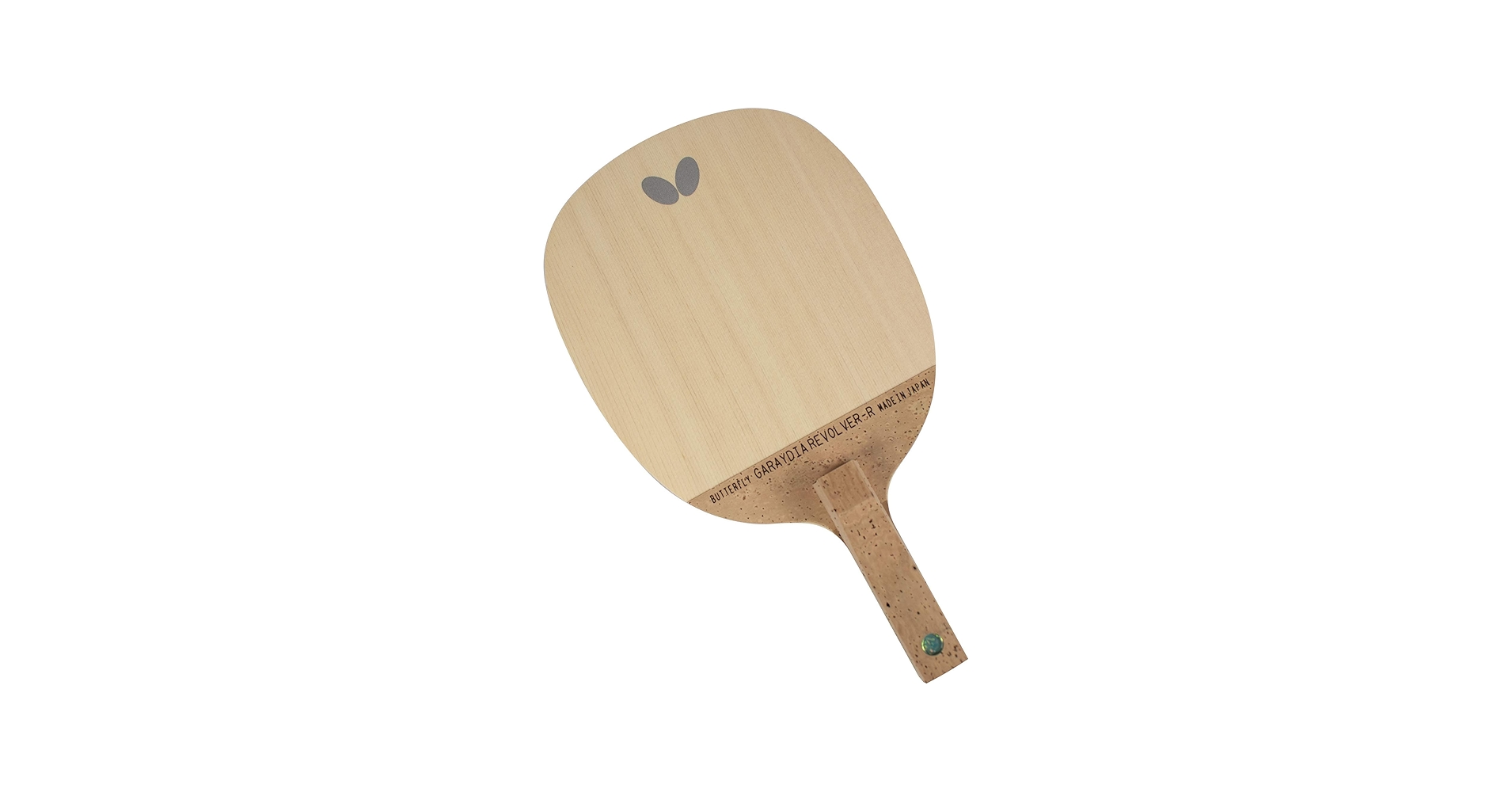
A Revolving Penhold Blade.
These blades are designed for rubber on both sides, so many models are relatively lightweight and work very well with the Reverse Penhold Backhand (RPB).
My top recommendation is the Galedia Revolver R by Butterfly.
Its grip shape is similar to a Japanese Penhold blade, making the transition much easier for players who aren’t comfortable with a Chinese Penhold grip. Despite its light weight, it also features Arylate-Carbon, providing excellent performance for the Reverse Penhold Backhand (RPB).
I’m currently using this blade myself to improve my forehand power. If you’d like to learn more about my setup and playing impressions, check out the article below.


5. Summary
When choosing a Chinese Penhold blade, keep these four key points in mind:
- A thin grip
- A light finished weight (155 g or less)
- A standard or slightly smaller head size
- A thin blade (less than 6 mm)
If you’re switching from Japanese Penhold, I especially recommend prioritizing the grip and overall weight.
There are many Chinese Penhold blades available, but the most important thing is to choose one that feels right for you.
I hope this guide helps if you’re considering switching to Chinese Penhold or planning to learn the Reverse Penhold Backhand (RPB).
Related Articles
Galedia Revolver R Unboxing Review

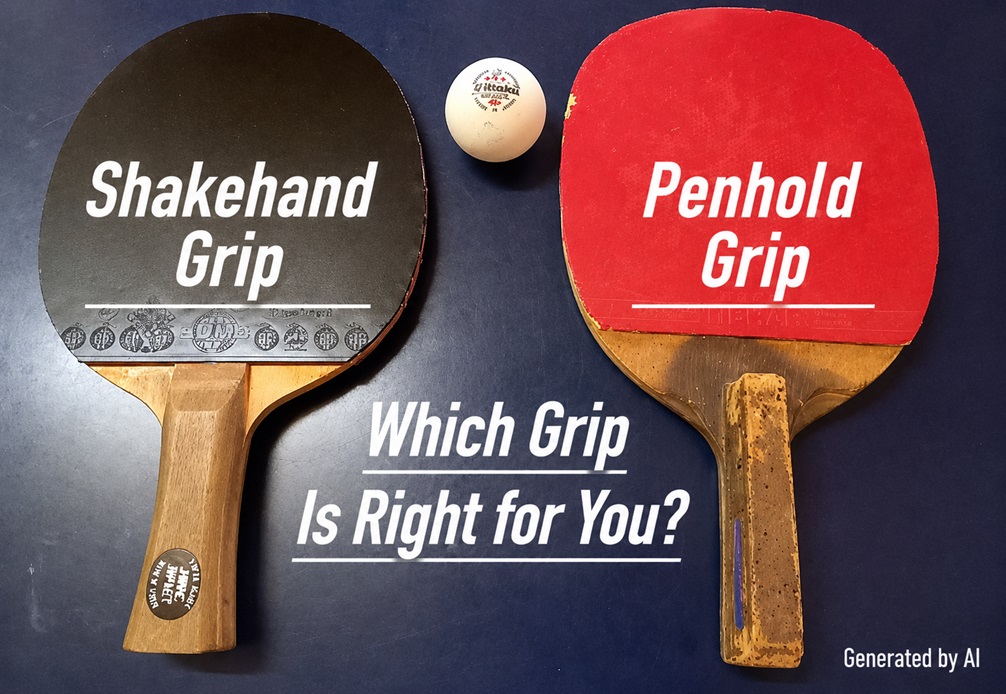
Shakehand vs. Penhold Grip
Average Price of Penhold Blades

Chinese Penhold Blades Used by Top Players


コメント