1. What Is an Inverted Rubber?
Inverted rubber is the most widely used type of table tennis rubber today. It offers an excellent balance of spin, speed, and control, making it suitable for players of all levels, from beginners to professionals.
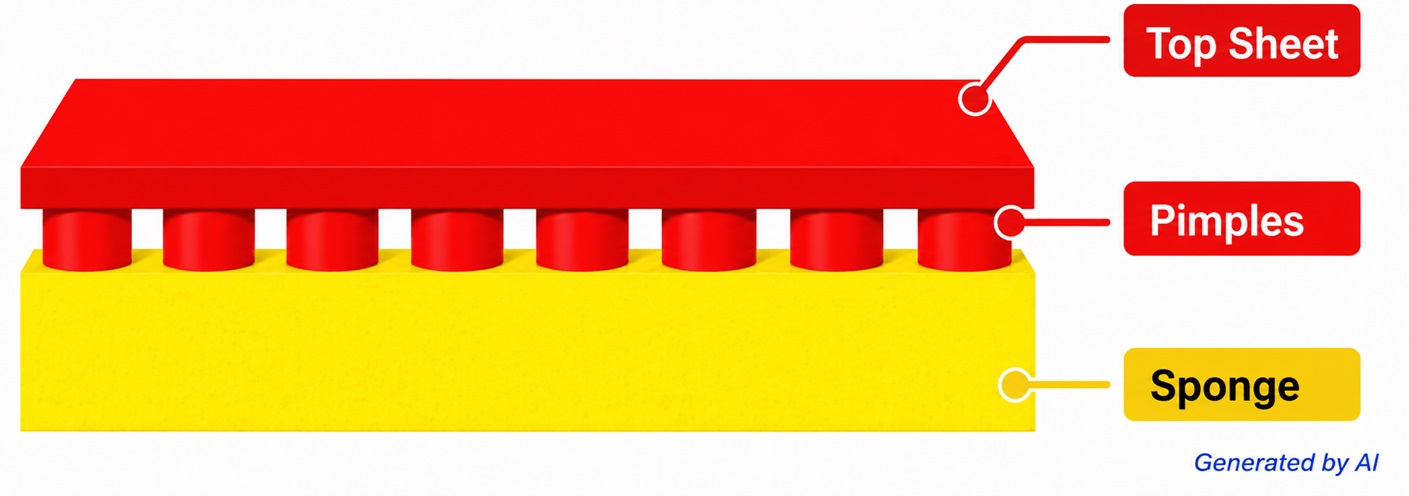
Because the ball contacts the entire topsheet surface, inverted rubber provides a large contact area and makes it easier to generate spin than many other types of table tennis rubber. As a result, it is well suited for modern table tennis techniques that rely on spin, such as topspin drives and serves.
If you are unsure which rubber to choose, an inverted rubber is usually the safest and most versatile option.
2. Types of Inverted Rubbers
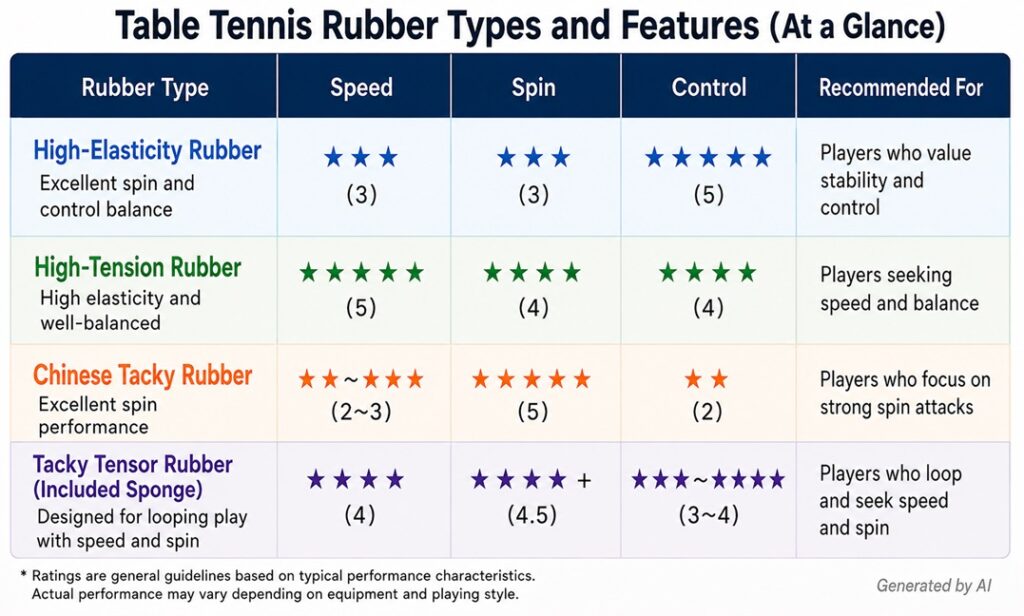
There are several types of inverted rubbers, each offering different levels of speed, spin, and ease of use. To help you understand the overall picture, the table below summarizes the key characteristics of the most common types of inverted rubbers.
Use it as a guide when choosing the rubber that best matches your playing style and skill level.
Although tacky rubbers are also produced outside China, this article focuses on the two categories most commonly used today: Chinese tacky rubbers and hybrid tacky rubbers.
Note: The descriptions below summarize the general characteristics of each rubber type. Actual performance may vary depending on the specific product.
1. High-Elasticity Rubbers and Control Rubbers
High-elasticity rubbers are known for their stable feel and excellent control. Because they are easy to handle, many beginner-friendly rubbers belong to this category.
High-elasticity rubbers were once used by many top players. However, with the rise of tension rubbers, they are now generally valued more for their control than their speed.
Today, many manufacturers also offer control rubbers with softer sponges designed for beginners. These rubbers prioritize ease of use, although some manufacturers classify them as a type of high-elasticity rubber.
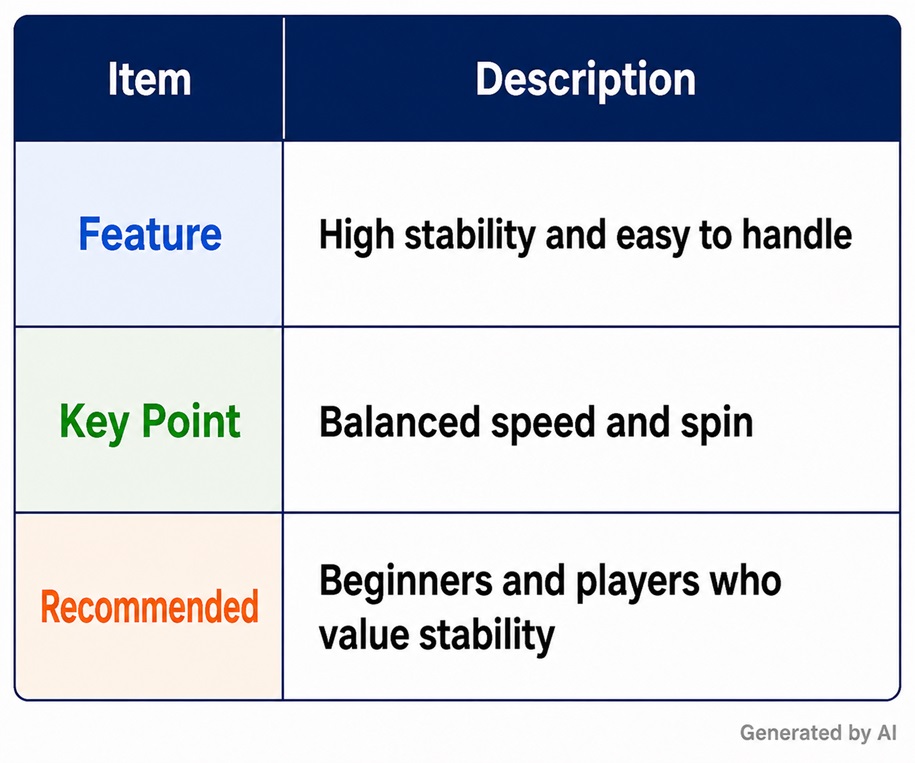
Although high-elasticity and control rubbers are often associated with beginners, they are also popular among experienced and advanced players. They are especially well suited to players who win points through placement, variation, and timing rather than relying solely on power.
2. High-Tension Rubbers
High-tension rubbers evolved from high-elasticity rubbers. They are designed with built-in tension in the topsheet and sponge, creating greater rebound and speed when the ball is struck.
As a result, they are popular among players who prioritize speed and power. Their strong rebound makes it easier to attack from mid-distance and engage in topspin rallies. They also allow players to capitalize on weak returns with aggressive attacks.
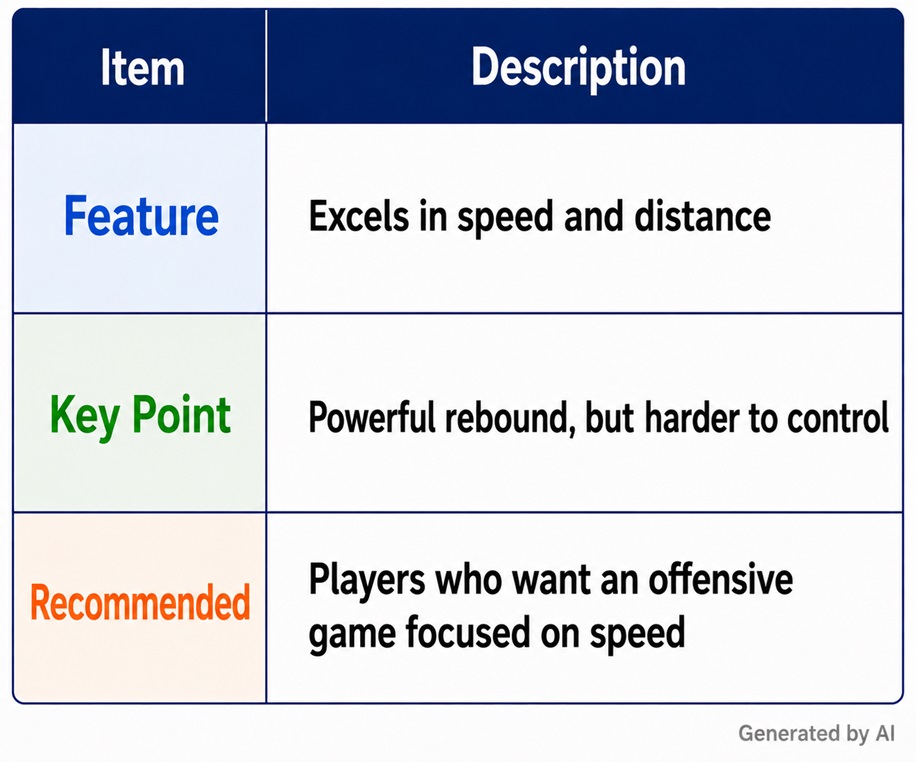
High-tension rubbers are also known for their distinctive high-pitched impact sound. However, the manufacturing methods and tension technologies vary between manufacturers, so the exact characteristics of tension rubbers can differ from one product to another.
Today, most top players use rubbers that incorporate some form of tension technology. This category is especially well suited to players who want to take the initiative with speed and play an aggressive attacking game close to or away from the table.
3. Chinese Tacky Rubbers
Chinese tacky rubbers use a highly adhesive topsheet to generate heavy spin. They excel in short-game techniques such as pushes and short pushes, making them a popular choice for spin-oriented players.
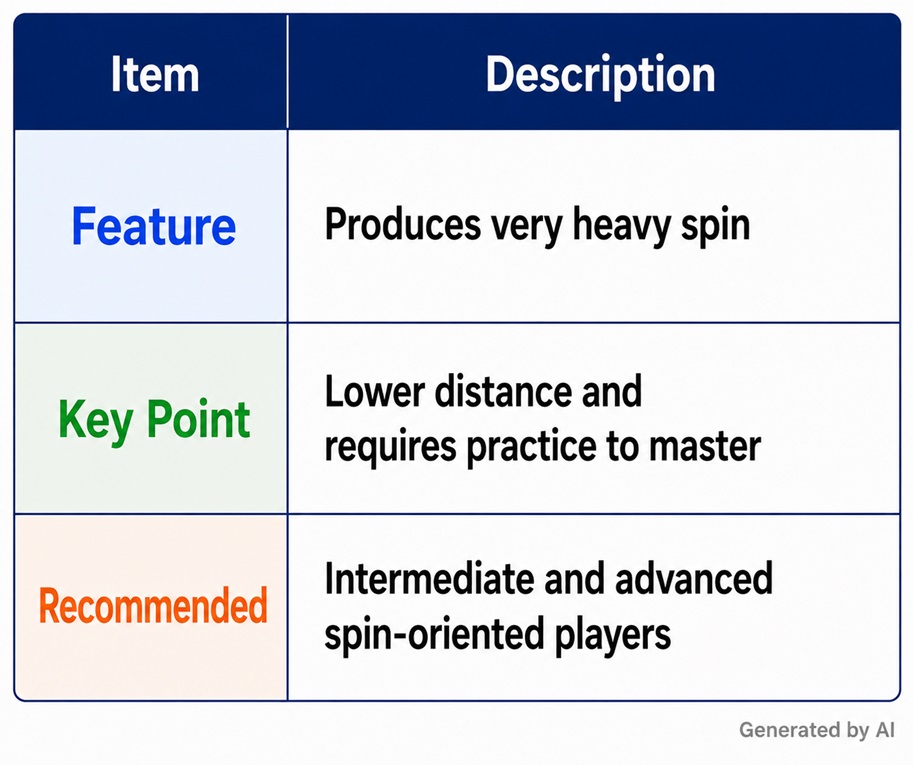
When looping, these rubbers are designed to emphasize spin rather than pure speed. Heavy-spin shots often dip sharply after the bounce, making it more difficult for opponents to judge the timing of the ball.
Chinese tacky rubbers can also produce more spin than opponents expect, sometimes causing misreads and unforced errors. Rather than overwhelming opponents with speed, they are best suited to players who win points through spin, variation, and ball quality.
On the other hand, many Chinese tacky rubbers use relatively hard sponges and topsheets. To unlock their full potential, players generally need good technique and sufficient swing speed.
Rubbers with harder sponges also tend to be heavier, so it is important to consider the overall weight of the racket.
For a detailed explanation of the deceptive ball effects often associated with tacky rubbers, see the article below.

4. Hybrid Tacky Rubbers
Hybrid tacky rubbers combine the spin potential of tacky rubbers with the rebound and speed of tension rubbers. Their popularity has grown rapidly in recent years, and many manufacturers now offer products in this category.
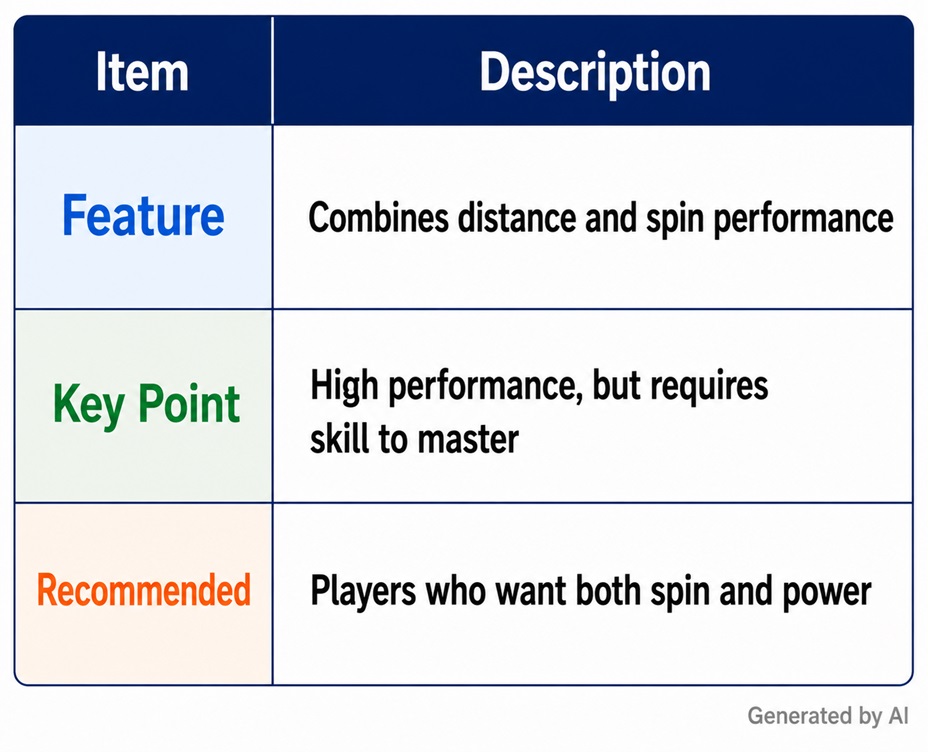
Today, more top players around the world are using hybrid tacky rubbers, making them one of the fastest-growing categories in table tennis. Interest in this type of rubber increased significantly after the release of Butterfly’s Dignics 09C, leading many manufacturers to introduce similar products.
Some players and coaches believe that the plastic ball generates less spin than the old celluloid ball. In this environment, hybrid tacky rubbers have attracted attention because they offer both strong spin and high ball speed.
Compared with traditional Chinese tacky rubbers, they generally provide more speed and are easier for tension-rubber users to adapt to. As a result, they are popular among players who want to combine spin and speed at a high level.
While they typically produce less deceptive spin than Chinese tacky rubbers, some models can still create spin variations that make it difficult for opponents to read the ball and can help force errors.
5. Why Extremely Slow Rubbers Are Not Always the Best Choice for Beginners
Beginners were once advised to use very slow rubbers. Today, that is not always the best approach.
One reason is the introduction of plastic balls. Because they generally produce less spin than celluloid balls, extremely slow rubbers may struggle to generate enough spin and power.
Rubber technology has also improved significantly. Many beginner-friendly rubbers now offer a good balance of control and speed, making extremely slow rubbers less necessary than in the past.
Beginners do not need advanced rubbers, but it is usually better to choose a rubber that offers both control and moderate speed.
6. Summary
Inverted rubber is the most popular type of table tennis rubber, but not all inverted rubbers are the same. High-elasticity rubbers, high-tension rubbers, Chinese tacky rubbers, and hybrid tacky rubbers each offer different playing characteristics.
The best rubber is not necessarily the one with the highest performance. The key is choosing a rubber that matches your playing style and skill level.
For control and ease of use, consider a high-elasticity rubber. For speed, a high-tension rubber may be the better choice. If you prioritize spin, a Chinese tacky rubber is worth considering, while hybrid tacky rubbers are ideal for players who want both spin and speed.
We hope this guide helps you choose the right rubber for your game.
Related Articles
Looking for beginner-friendly rubber recommendations?

Looking for an overview of all table tennis rubber types?
Want to learn more about rubber selection?
Rubber Hardness
Rubber Thickness
Racket and Rubber Combinations


コメント