There are many types of table tennis rubbers, and each offers different characteristics and playing styles. You may be wondering:
- What is the difference between inverted rubber and short pips?
- Which type of rubber is best for beginners?
This article provides a clear overview of the main types of table tennis rubbers.
If you would like to learn more about a specific rubber, we have also included links to detailed guides for each type, making it easy to explore the topics that interest you most.
1. Types of Table Tennis Rubbers
Table tennis rubbers can be classified into several categories based on their surface structure and playing characteristics. The main types are inverted, short pips, long pips, and anti-spin rubbers. In addition, there is a sponge-less specification known as OX rubber.
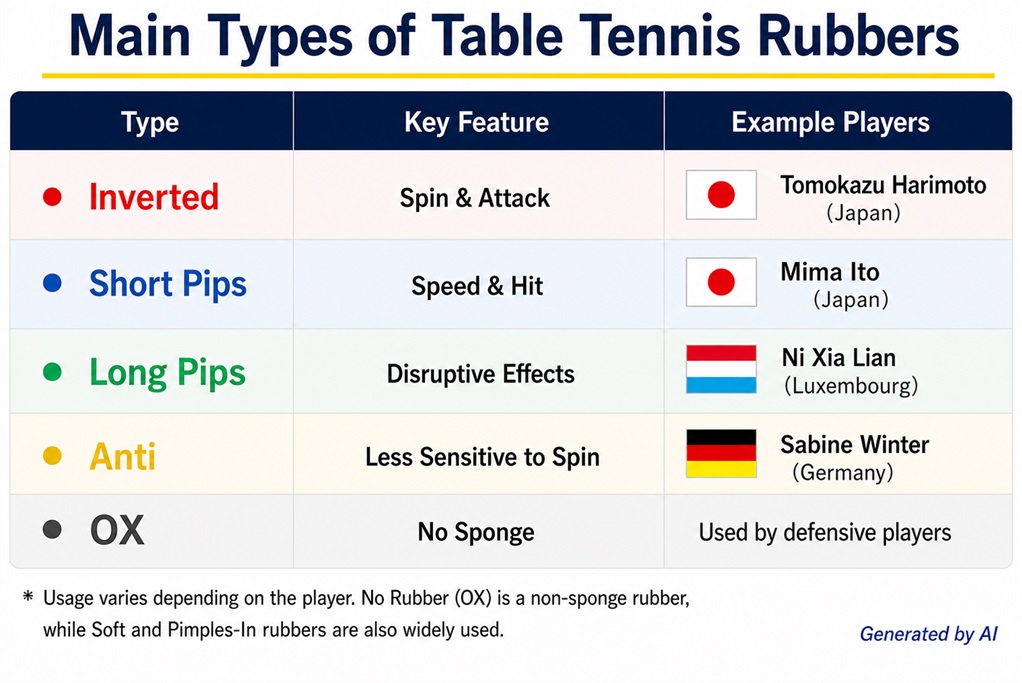
While there are several types of table tennis rubbers, their actual usage rates are far from equal. First, let’s take a look at the general usage trends.
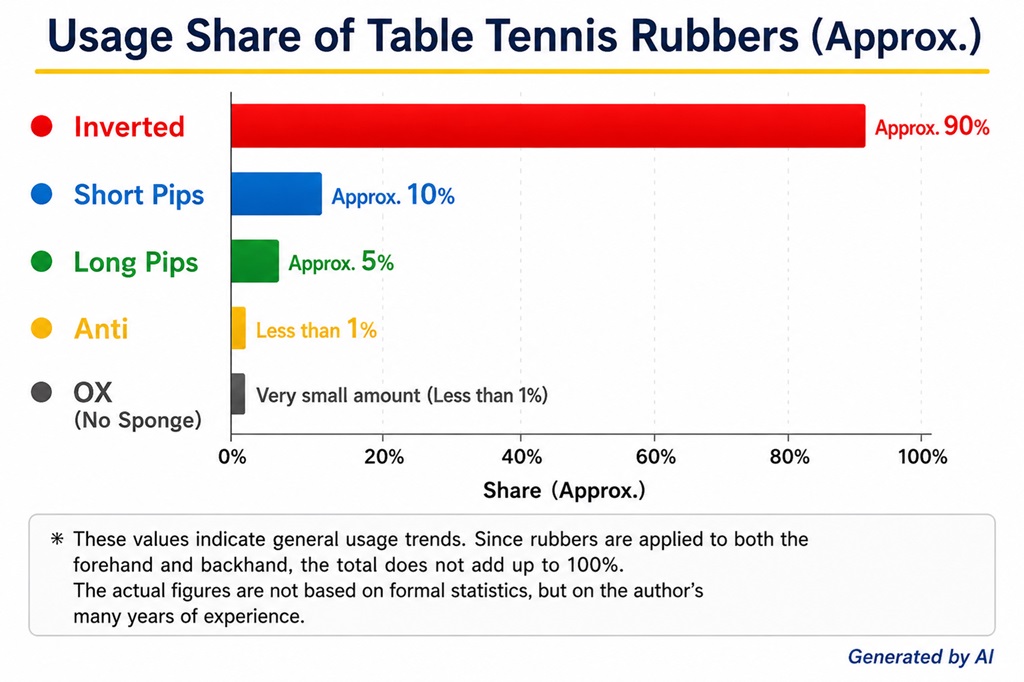
Note: This chart is not based on official statistical data. It reflects general usage trends observed through the author’s years of playing experience and match observation.
Inverted rubbers are by far the most widely used type, while short pips, long pips, anti-spin, and OX rubbers are chosen for their unique playing characteristics. Let’s take a closer look at each type.
2. Characteristics of Table Tennis Rubbers
Each type of table tennis rubber offers different levels of spin, speed, and control, making them suitable for different playing styles.
Below is a brief overview of the main rubber types. For more detailed information and recommended products, please refer to the related articles.
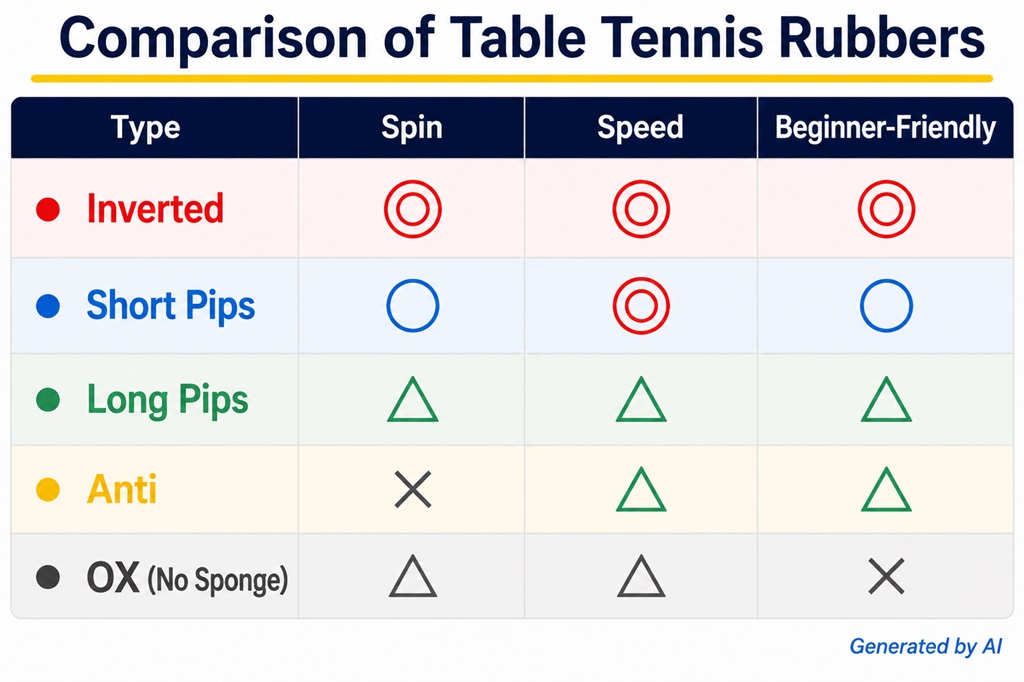
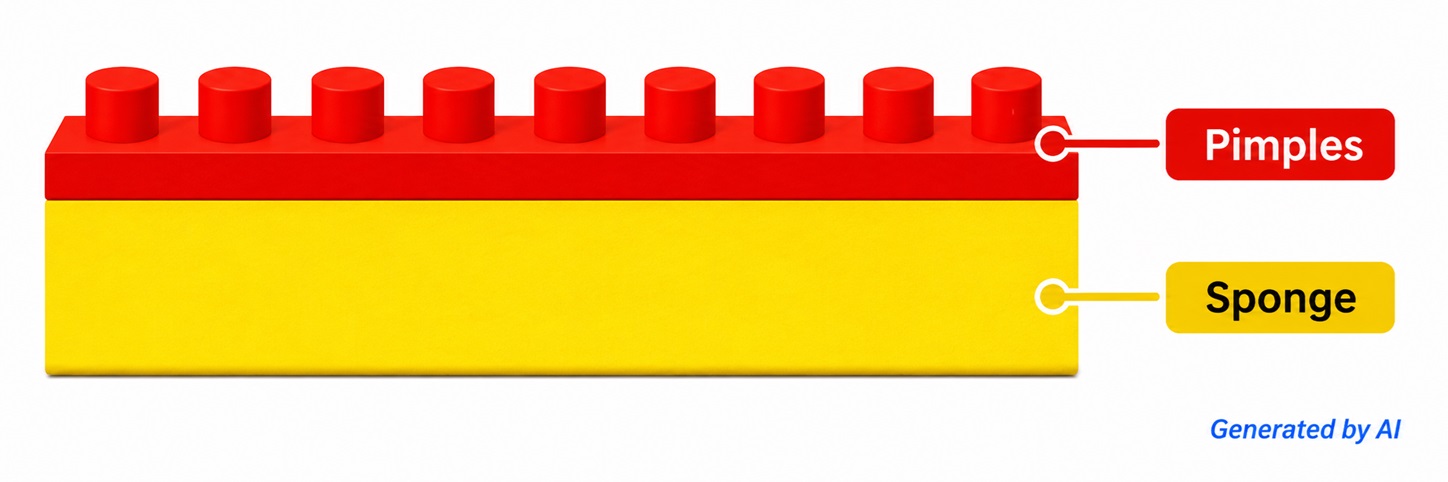
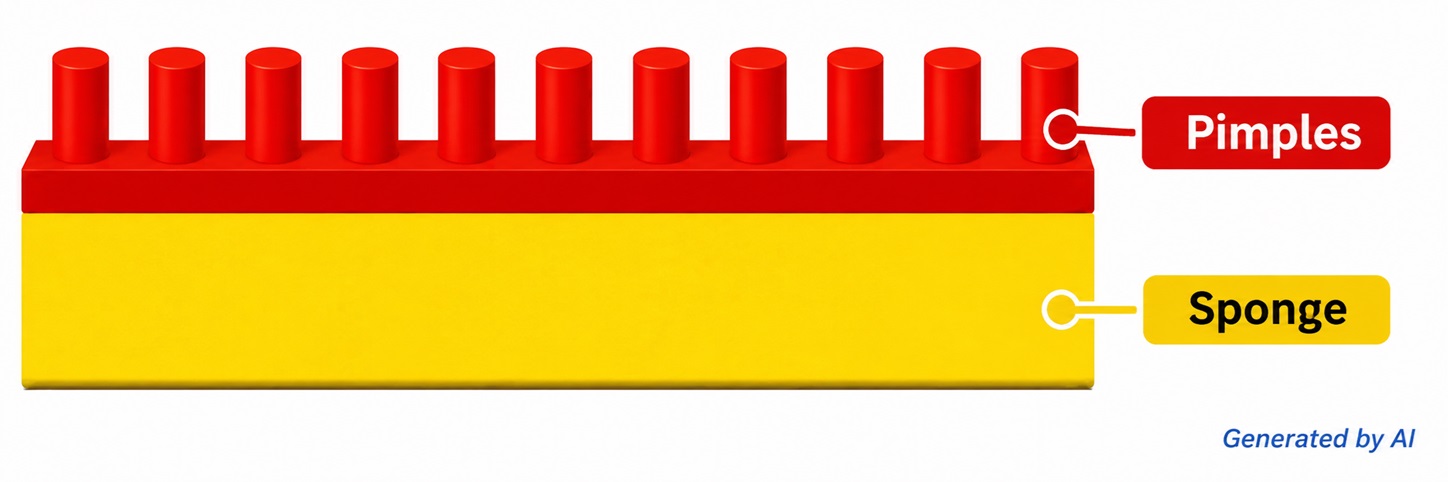
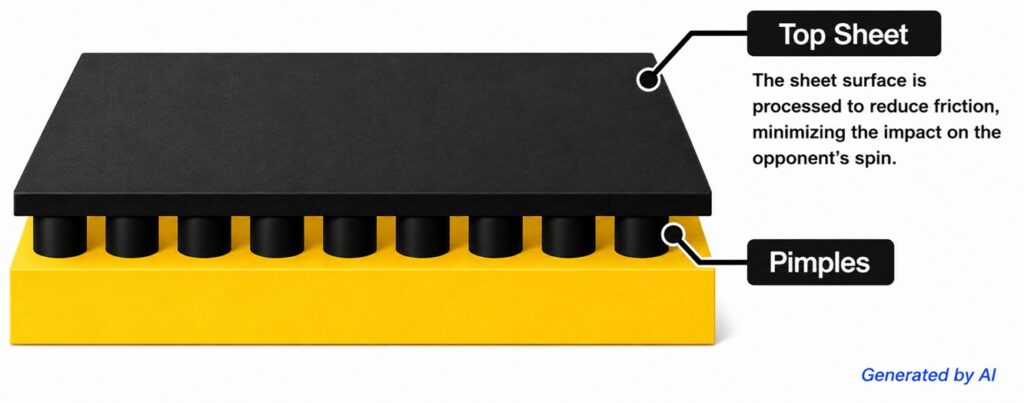
Note: The following illustrations are intentionally simplified and slightly exaggerated to make the structures and characteristics easier to understand. Actual products may differ in shape and proportions.
(1) Inverted Rubber
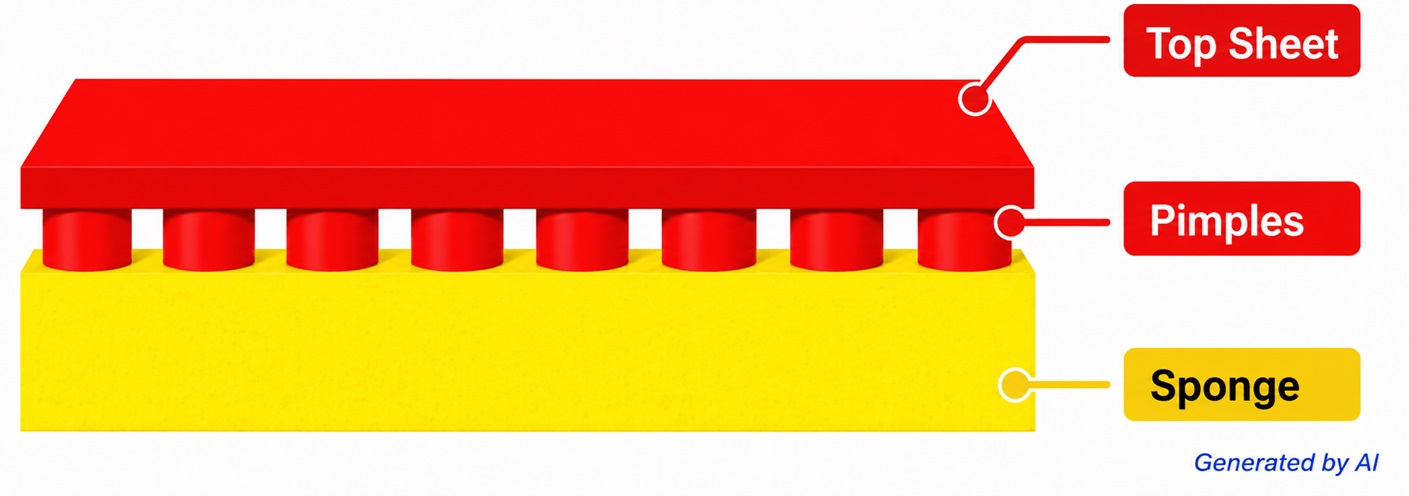
Inverted rubber is the most widely used type of table tennis rubber today. It offers an excellent balance of spin, speed, and control, making it suitable for everyone from beginners to world-class professional players.
(2) Short Pips
Short pips rubber has outward-facing pimples and is well suited for fast attacks and direct hitting. Because the contact area with the ball is smaller than that of inverted rubber, it is generally less affected by an opponent’s spin.
(3) Long Pips
Long pips rubber has a similar outward-facing pimple structure to short pips, but the pimples are much longer. When the ball contacts the rubber, the pimples bend and create unusual effects, making it easier to force errors from opponents. It is commonly used by defensive and all-round players.
(4) Anti-Spin Rubber
Anti-spin rubber looks similar to inverted rubber, but its top sheet is specially designed to have very low friction. As a result, it is less affected by incoming spin and also generates less spin of its own. It is often used for spin-neutralizing and disruptive styles of play.
(5) OX Rubber
OX rubber is a sponge-less rubber consisting only of the top sheet. Both short pips and long pips versions exist, although it is most commonly used with long pips. Without a sponge layer, the feeling becomes much more direct, similar to striking the ball with the blade itself.
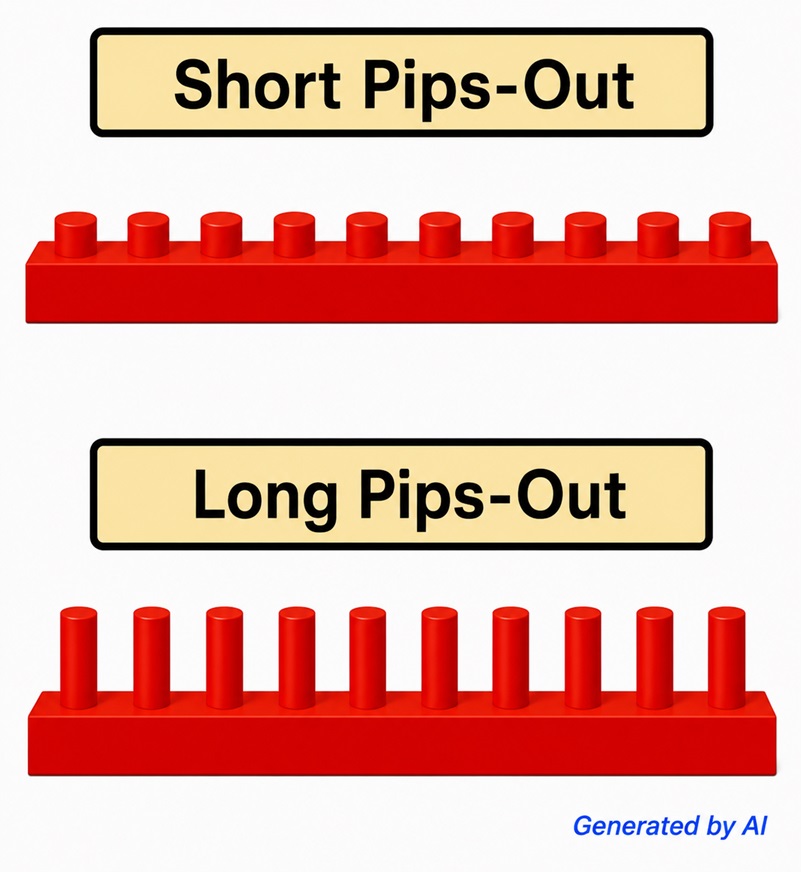
OX refers to a rubber without a sponge layer (0 mm sponge thickness).
3. Inverted Rubbers
Modern inverted rubbers can be further divided into several categories.
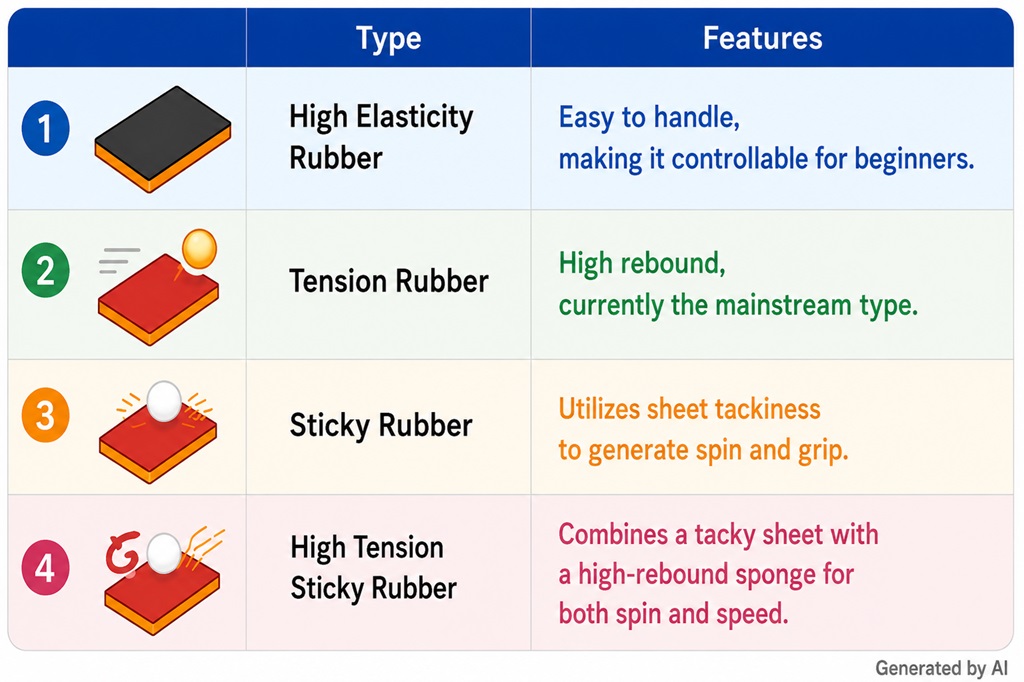
Each category offers different levels of speed, spin, and playing feel. Choosing the right rubber based on your skill level and playing style is an important part of equipment selection.
For a detailed explanation of inverted rubbers, see the article below.
4. Recommended Rubbers by Playing Style
The illustration below shows typical rubber combinations for different playing styles.
In practice, rubber setups vary depending on each player’s preferences and tactics, so not every player follows these exact patterns. However, they can serve as a useful reference when choosing your equipment.
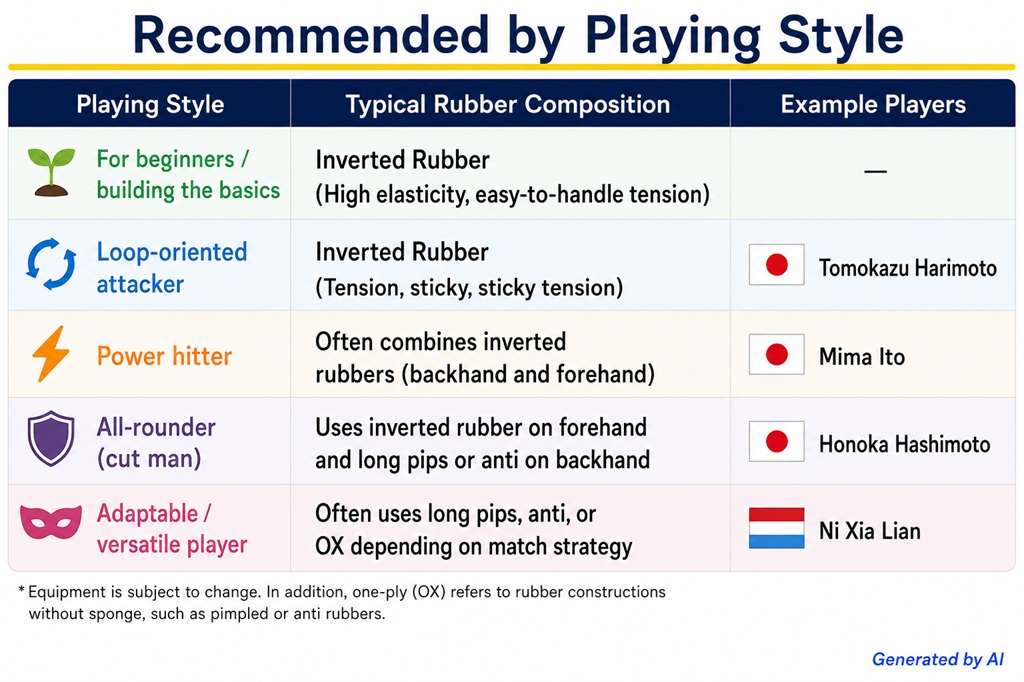
For example, loop-oriented players typically use inverted rubbers on both sides. Fast attacking players who rely on direct hits often combine a short pips rubber with an inverted rubber. Defensive and disruptive players may use long pips or anti-spin rubbers to create unique tactics and playing styles.
Choose the rubber combination that best matches your playing style and the type of table tennis you want to develop.
5. Recommended Rubbers for Beginners
For beginners, an easy-to-control inverted rubber is the best choice. It provides good control and makes it easier to learn how to generate spin, helping players develop fundamental techniques more effectively. Start with a beginner-friendly model and focus on building a solid foundation.
In the article below, we introduce four carefully selected inverted rubbers that are especially suitable for beginners. If you’re looking for your first rubber, be sure to check it out.

6. Further Reading
If you’d like to learn more about rubber selection, maintenance, and performance differences, be sure to check out the articles below.
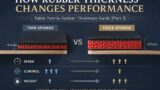
Learn more about rubber thickness
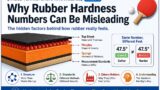
Learn more about rubber hardness
Learn how to glue table tennis rubber
Learn about blade and rubber combinations

Learn more about tacky rubbers
7. Summary
Table tennis rubbers come in several types, each designed for different playing styles and preferences.
If you’re unsure where to start, an inverted rubber is usually the safest choice. Explore the related articles to learn more and find the rubber that best suits your game.
Want to learn how to shape a table tennis racket handle?

Looking for the best place to buy table tennis equipment?

Wondering what equipment you need to start playing table tennis?


コメント