
1. Introduction
I have been developing my reverse penhold backhand technique for about 20 years, using inverted rubber on the back side of a Chinese penhold or reversible penhold racket.
At the time, I believed that short-pips rubber had no place on a reverse penhold backhand. However, when I actually tried it, I found more advantages than I had expected. I continued testing it in match-style practice for about two months.
I played approximately 80 practice matches during this test.
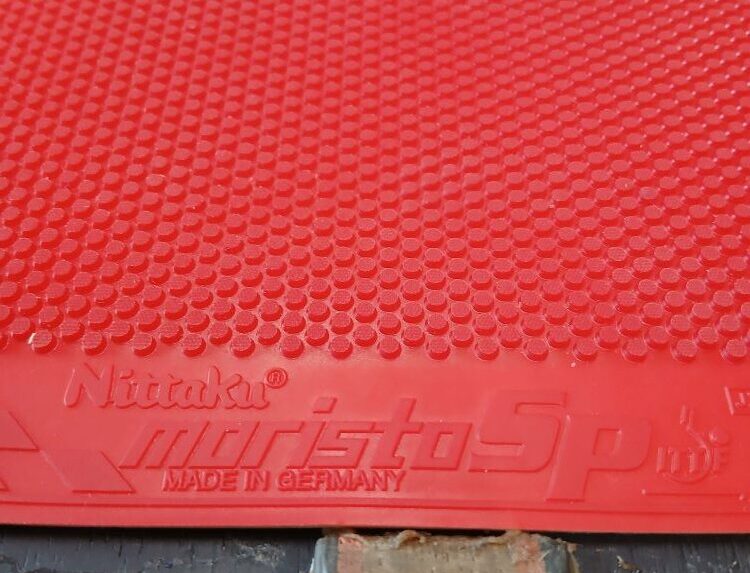
Even years later, I still believe that neither inverted rubber nor short-pips rubber is simply “better.” The better choice depends on your playing style.
This article explains how to choose between the two types of rubber for the reverse penhold backhand. As you read, consider which playing style best matches your own.

The article is based on my own experience as well as feedback from fellow players who have used short-pips rubber on the backhand side, including players with national-level tournament experience.
2. Who Is Suited to Inverted Rubber?
(1) You want to score with your own attacking patterns
There are many ways to win points in table tennis, but they can broadly be divided into two approaches:
① Score points with your own strengths and attacking patterns
② Disrupt your opponent’s game and force errors
Inverted rubber is generally better suited to the first approach. If you want to take the initiative and score points with strong spin, precise placement, and speed, inverted rubber is a good choice.
(2) You enjoy taking the initiative and attacking
In table tennis, winning is not the only thing that matters. How you want to win is also important. If you enjoy taking the initiative, generating spin, and attacking your opponent, inverted rubber is likely to suit you better.
If you would rather attack and score points yourself than rely on your opponent’s mistakes, or if you enjoy powerful drives and hard attacks, inverted rubber is a strong choice.
3. Who Is Suited to Short-Pips Rubber?
(1) You want to disrupt your opponent’s attacks
Short-pips rubber makes it easier to create variations in spin and ball quality. These variations can make it difficult for your opponent to predict the ball, disrupt their attacks, and force errors.
Short-pips rubber can also be used for attacking, but it is generally less suited to generating heavy spin. The ball tends to travel on a more direct trajectory, making powerful attacks less forgiving than with inverted rubber.
(2) You want to disrupt your opponent’s rhythm
If you enjoy disrupting your opponent and controlling the flow of the match rather than relying mainly on your own attacks, short-pips rubber may be a good fit for you.
In my nearly 40 years of playing table tennis, I have rarely encountered players who used short-pips or long-pips rubber effectively on a reverse penhold backhand. This means many opponents have limited experience against this style of play.
Through my own test of approximately 80 practice matches, I found that this lack of familiarity could be a significant advantage.
4. Conclusion
So, which type of rubber is better for the reverse penhold backhand?

The answer is not about which rubber is better, but about what kind of table tennis you want to play.
I tested short-pips rubber on the back side of my Chinese penhold in approximately 80 practice matches over two months. By the second half of the test, I had become comfortable with the rubber, and my win rate against my practice partners was almost the same as when I used inverted rubber on both sides.
However, my style of play changed. I scored more points by using knuckle balls and variations in spin to force errors, while I attacked directly less often.
This experience reminded me that I care not only about winning, but also about how I win.
Ask yourself these two questions:
- Do you want to attack actively and score points yourself?
- Or do you prefer to disrupt your opponent’s rhythm and control the match?
Your answers may help you choose the right rubber for your reverse penhold backhand.
For me, attacking actively and winning points myself feels more natural than trying to win by disrupting my opponent’s rhythm.
That is why I have returned to inverted rubber on both sides and am enjoying an attacking style of play again.
I hope this article helps you choose the right rubber for your reverse penhold backhand.
Related Articles
My Review of Butterfly Rozena for the Reverse Penhold Backhand

My Review of Butterfly Glayzer for the Reverse Penhold Backhand

World-Class Players Who Use the Reverse Penhold Backhand

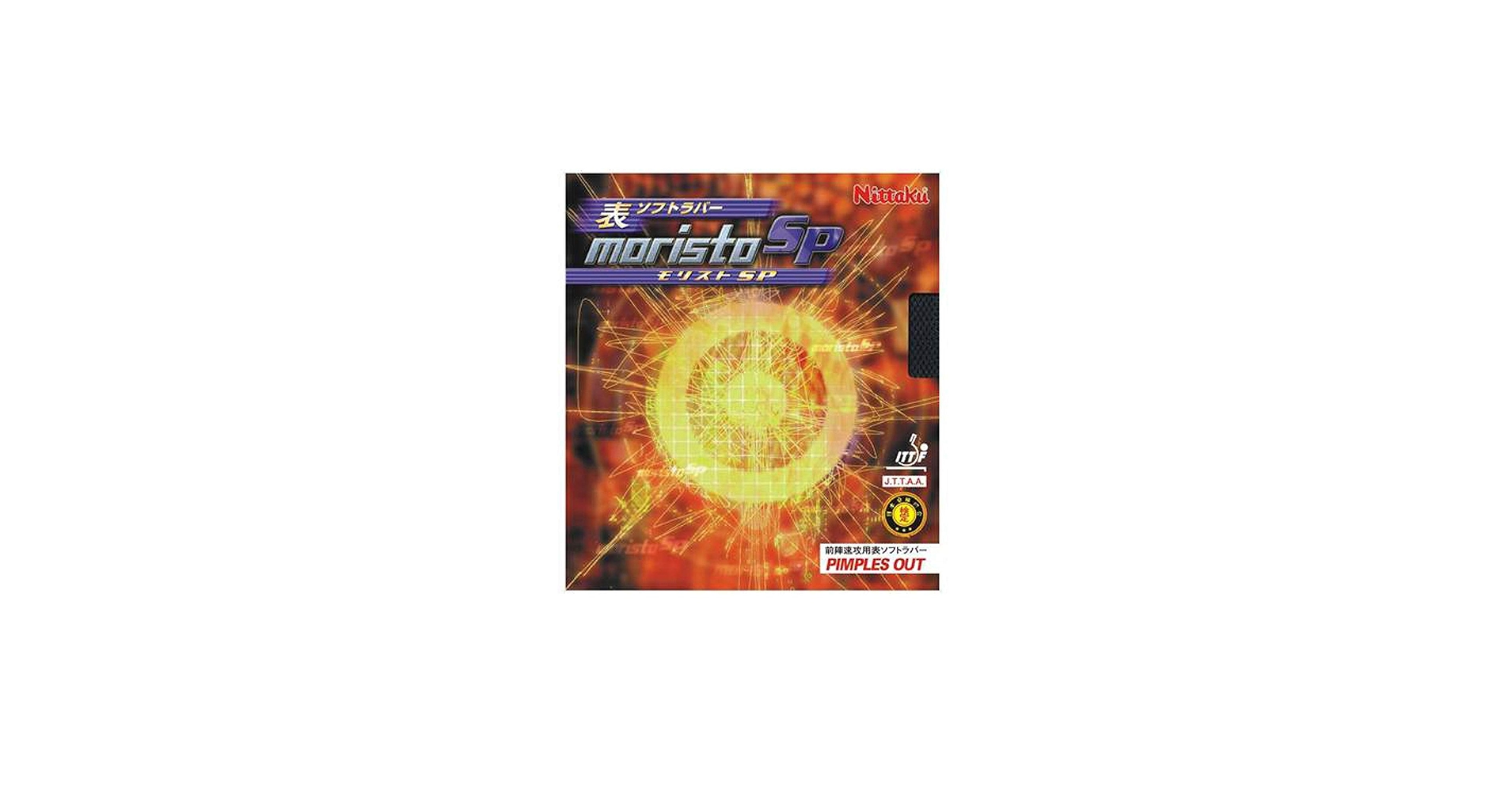
You can check the current price and product details of Moristo SP below.



コメント