Starting table tennis is exciting—but choosing the right equipment can feel overwhelming. Many beginners wonder:
“What do I actually need, and what can wait?”
Based on my 40 years of table tennis experience, this guide clearly separates:
- Essential beginner gear
- Items you can buy later
My goal is simple: help you avoid unnecessary spending and start with reliable, beginner-friendly equipment.
- 1. What Gear Do You Need to Get Started?
- (2) Where to buy your table tennis gear
- 3. Product Recommendations for Beginners
- 4. Summary: Start with the Essentials
1. What Gear Do You Need to Get Started?
I’ve organized beginner gear by priority level based on practical playing experience.
First, check the quick overview below to see:
- What is recommended for long-term improvement
- What you absolutely need
- What can wait until later
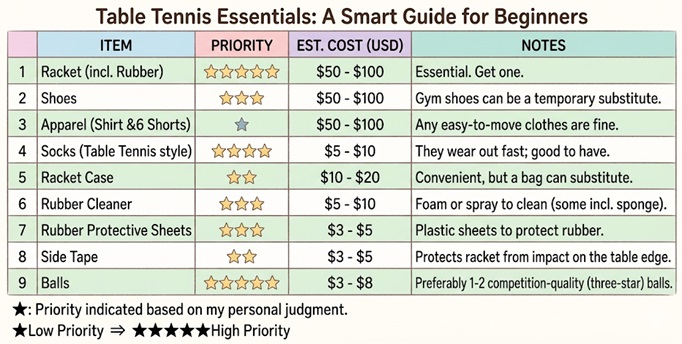
Then, let’s look at each item in detail.
(1) Racket
A racket is the most important piece of table tennis equipment.
For beginners, I strongly recommend avoiding very cheap pre-assembled rackets with fixed rubber. Once the rubber wears out, you usually cannot replace it.
Instead, choose:
- A separate blade and rubber setup
- A beginner-friendly combination
- A shop with a racket assembly service
Since rubber is a consumable item, replaceable rubber is more economical and better for long-term improvement.
Also, remember:
- The blade and rubber are usually sold separately
- Table tennis glue is required for assembly
If you are unsure, simply ask the shop to assemble the racket for you.
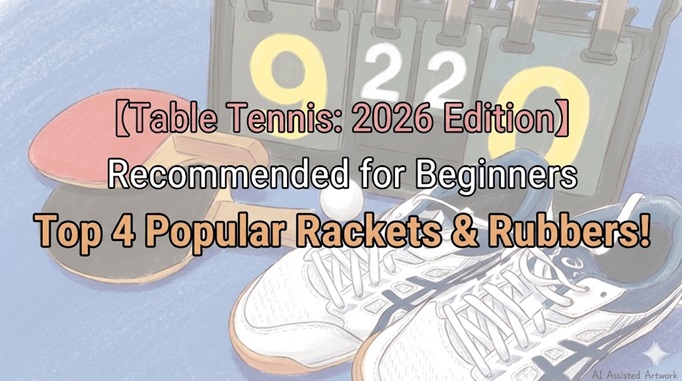
For a more detailed guide, check out my beginner equipment article below.
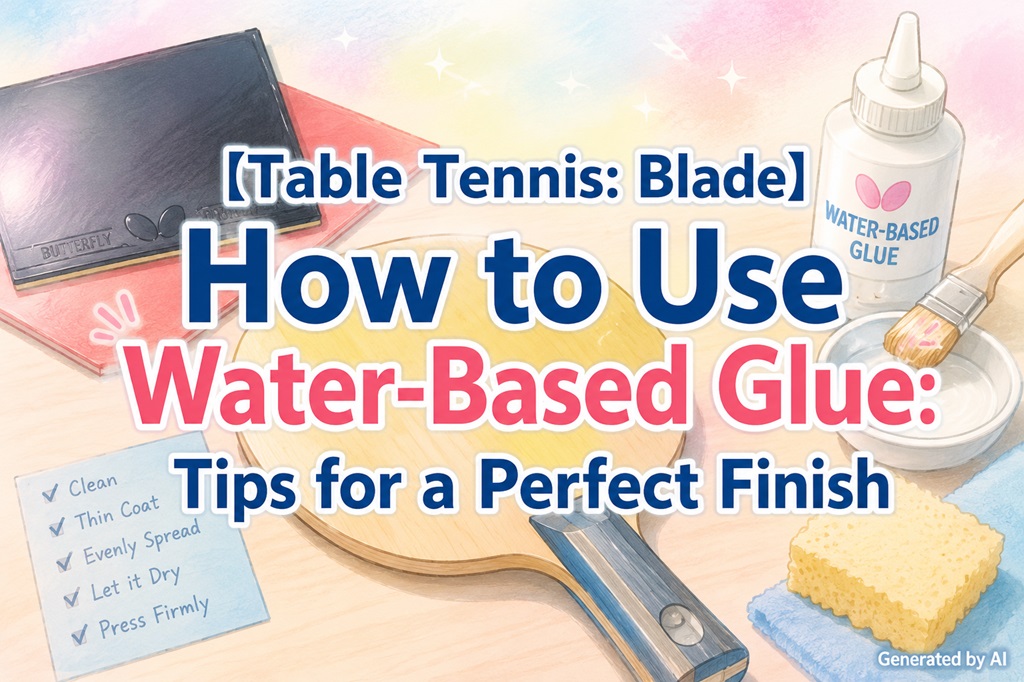
If you want to learn more about racket assembly and glue, check out the article below.
(2) Shoes
You do not need dedicated table tennis shoes right away.
To start, regular indoor sports shoes are perfectly fine.
When you decide to buy table tennis shoes:
- Choose entry-level models from major brands
- Prioritize comfort and fit
- Try them on in person if possible
Proper fit is especially important because table tennis involves constant footwork.
(3) Training Wear / Uniform
You do not need a special table tennis uniform when starting out.
At first, comfortable athletic clothing is enough, such as:
- T-shirts
- Shorts
- Sweatpants
If you later join a club or enter official tournaments, you may need an approved uniform that follows competition rules.
Until then, simply use the sportswear you already own.
(4) Socks
If you practice regularly, specialized table tennis socks can improve comfort and durability.
Because table tennis involves constant footwork, regular socks wear out quickly.
Table tennis socks offer:
- Better durability
- Improved comfort
- A more secure fit inside your shoes
Good footwork starts with stable footing.
(5) Racket Case
You do not need a dedicated racket case right away.
At first, a simple bag you already own is perfectly fine.
Once you start playing regularly, you can choose a racket case that matches your style and needs.
(6) Rubber Cleaner
I highly recommend using a rubber cleaner.
Cleaning your rubber after practice helps extend its lifespan and maintain performance.
For beginners, an all-in-one cleaner with a sponge is the easiest option to use.
(7) Rubber Protective Sheet
While optional, a protective sheet can help keep your rubber in better condition for longer.
After cleaning your rubber, simply place the sheet over the surface.
This helps:
- Protect the rubber
- Extend its lifespan
- Reduce replacement costs
(8) Side Tape
Side tape is protective tape applied to the edge of your racket.
It helps protect the racket from accidental damage during play.
While not essential, side tape is:
- Affordable
- Easy to apply
- Helpful for protecting racket edges
It’s also a fun way to customize the look of your racket.
(9) Balls
I recommend keeping one or two table tennis balls at home for personal practice.
For beginners, “three-star” balls are a reliable choice because they are used in official competitions and provide more consistent bounce and feel.
My personal recommendation is the Nittaku three-star ball, which is widely trusted for its high quality.
To avoid losing them, keep your personal balls for home use only.
(2) Where to buy your table tennis gear
If possible, I recommend buying your equipment from a dedicated table tennis specialty shop.
The staff can help you:
- Choose beginner-friendly equipment
- Match the right blade and rubber
- Stay within your budget
If you do not have a specialty shop nearby, a reputable online table tennis store is also a great option.
Many online stores offer:
- A wide product selection
- Beginner-friendly support
- Racket assembly services
For more details, check out the article below.
3. Product Recommendations for Beginners
Choosing table tennis equipment can feel overwhelming for beginners.
To make things easier, here are some beginner-friendly products that offer a good balance of quality, performance, and value.
Please note:
The following products are beginner-friendly recommendations based on my playing experience. Product availability may vary depending on your country or region.
(1) Racket and Rubber (Buying as a set is highly recommended)
For beginners, I strongly recommend buying the racket and rubber together from a shop that offers a racket assembly service.
This allows you to:
- Start playing immediately
- Avoid assembly mistakes
- Skip buying table tennis glue separately
Many table tennis shops offer this service for free.
Recommended Beginner Racket
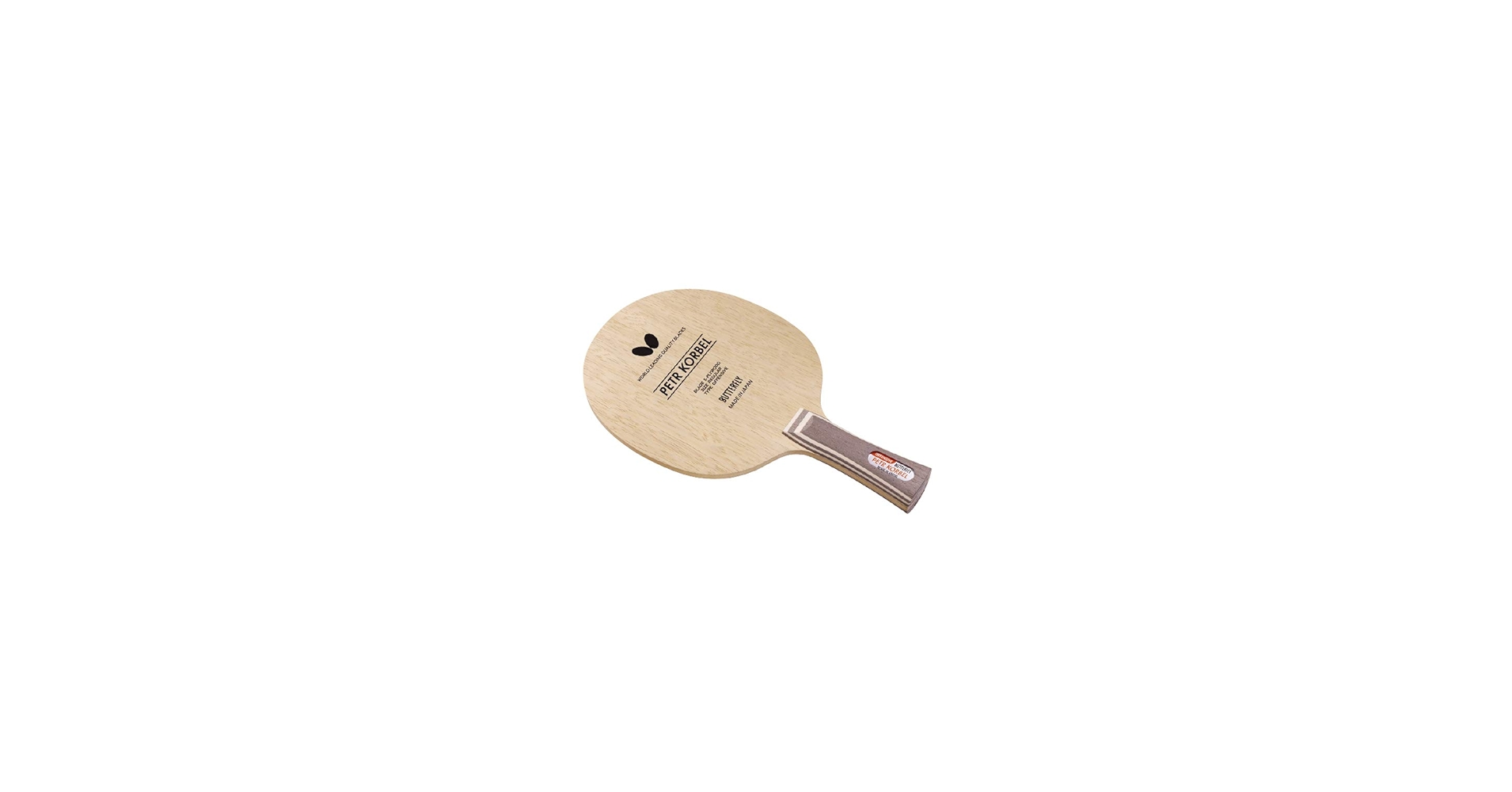
For beginners who want to improve steadily over the long term, I highly recommend the Butterfly Petr Korbel.
This classic 5-ply all-wood blade has been trusted by table tennis players around the world for many years.
Why it’s a great choice for beginners and developing players:
- Excellent control and feel
- Helps players develop proper stroke technique
- Reliable balance of speed and stability
- High long-term value thanks to its versatile design
- Made in Japan by Butterfly, one of the world’s leading table tennis brands
Compared with very fast carbon blades, the Petr Korbel offers a softer and more controlled playing feel, making it easier for beginners to improve consistency and ball control.
I especially recommend it for players who want to develop good touch and solid fundamentals from the beginning.
Note:
The Butterfly Petr Korbel is available internationally through Amazon and major table tennis retailers. Both FL (Flared) and ST (Straight) handle styles are commonly available.

[Recommended Beginner Rubber]
Before choosing your rubber, there is one important rule to remember:
The two sides of your racket must have different colors in official tournaments so opponents can distinguish the type of rubber and spin.
[Current ITTF Rubber Color Rules]
- One side must be Black
- The other side must be:
Red, Blue, Green, Pink, or Violet
In short, you must use one black side and one side of another approved color.
Here are two beginner-friendly rubbers that offer a great balance of performance and value.
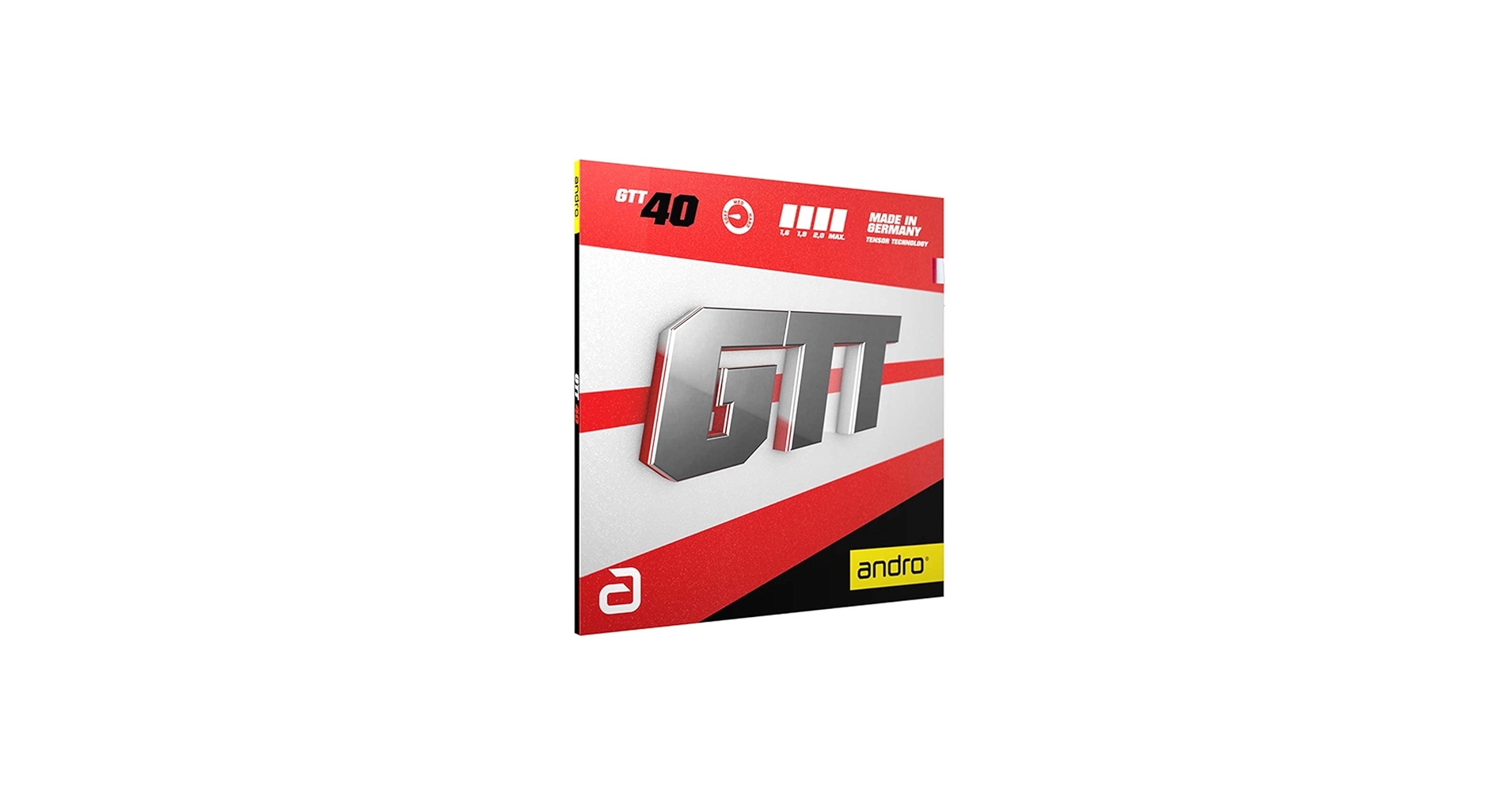
(1) GTT45 (by Andro)
The GTT45 is an affordable, beginner-friendly rubber that I highly recommend.
Why it’s a great choice for beginners:
- Easy to control
- Good balance of speed and stability
- Excellent for learning basic techniques
- Great value for the price
If you eventually feel that this rubber is no longer enough for you, that is actually a sign of improvement.

(2) Rozena (by Butterfly)
Rozena is another beginner-friendly rubber that I highly recommend.
It offers an excellent balance of control, spin, and stability, making it a great choice for players who want to improve steadily over the long term.
Rozena also pairs very well with all-wood blades such as the Butterfly Petr Korbel because the combination provides:
- Good ball control
- Consistent feeling on contact
- Reliable spin and stability
- A comfortable balance for developing proper technique
Compared with the GTT45, Rozena is:
- More expensive
- Higher performance
- More suitable for long-term development
If your budget allows, it is an excellent rubber to start with and continue using into the intermediate level.


(2) Shoes
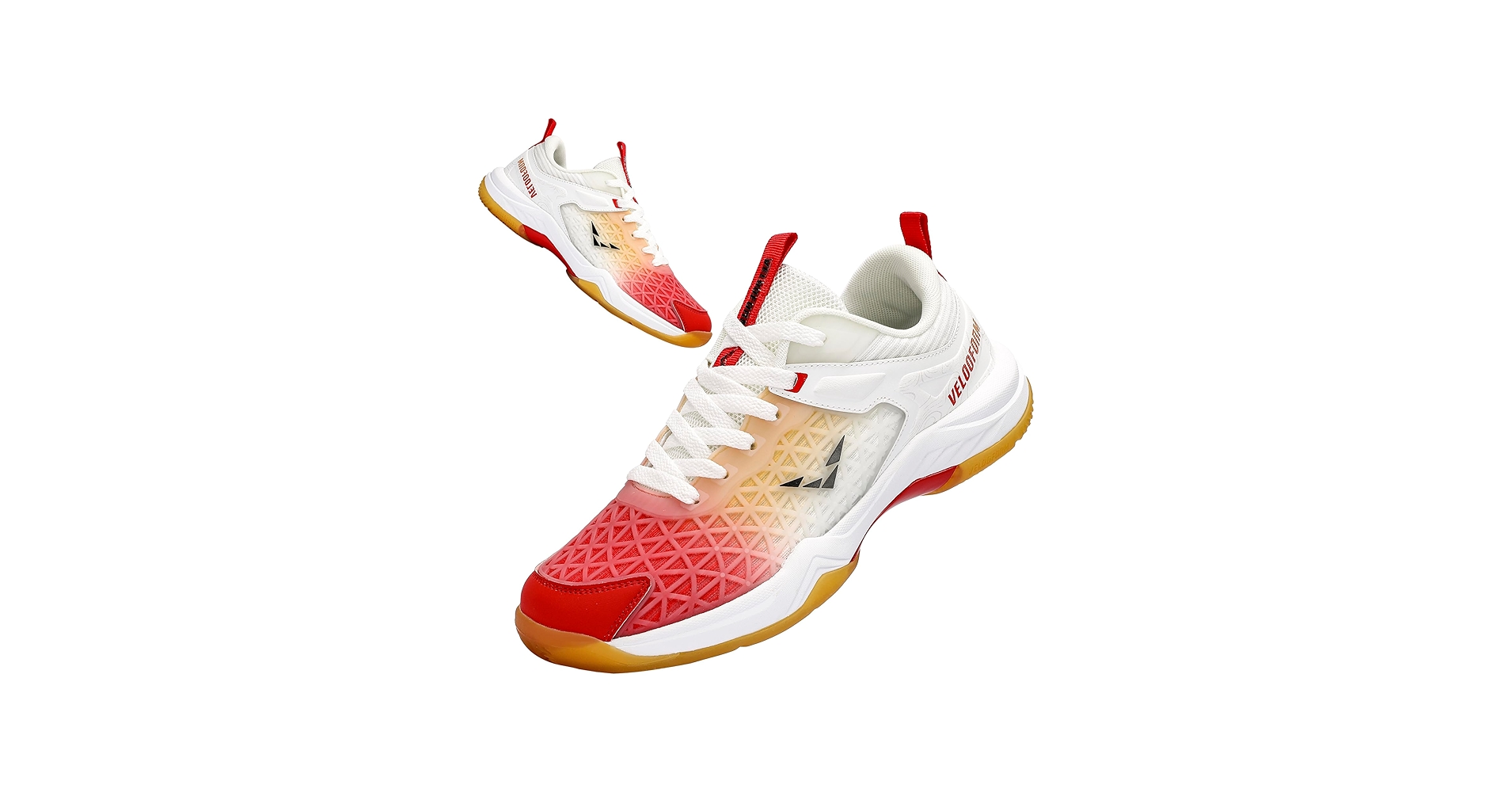
You do not necessarily need professional table tennis shoes right away.
Many beginners start with indoor court shoes designed for sports such as volleyball, badminton, or pickleball.
Major sports brands like Mizuno and Asics also offer high-quality indoor court shoes that work very well for beginner table tennis players.
These shoes are designed for:
- Better stability
- Improved side-to-side movement
- Comfortable footwork during long practice sessions
Dedicated table tennis shoes are especially reliable because they are developed specifically for fast indoor movement and quick footwork.
However, for beginners, a comfortable indoor court shoe is often more than enough to get started.

(3) Training Wear / Uniform
There are many table tennis uniform designs available today.
However, if you plan to enter official tournaments, make sure your uniform meets competition regulations.
Many tournaments require uniforms with official approval marks from organizations such as the ITTF or national table tennis associations.
Before entering a tournament, always check the dress code and equipment rules in advance.
(4) Socks
Many table tennis brands offer socks in a wide variety of colors and designs.
Of course, comfort and durability are important, but I also recommend choosing a pair you genuinely like.
Having gear you enjoy can make every practice session more fun and motivating.
(5) Racket Case
Racket cases come in many different designs and styles.
Since they help protect your racket, I recommend choosing one that is both practical and enjoyable to use.
Take your time and find a case you really like.
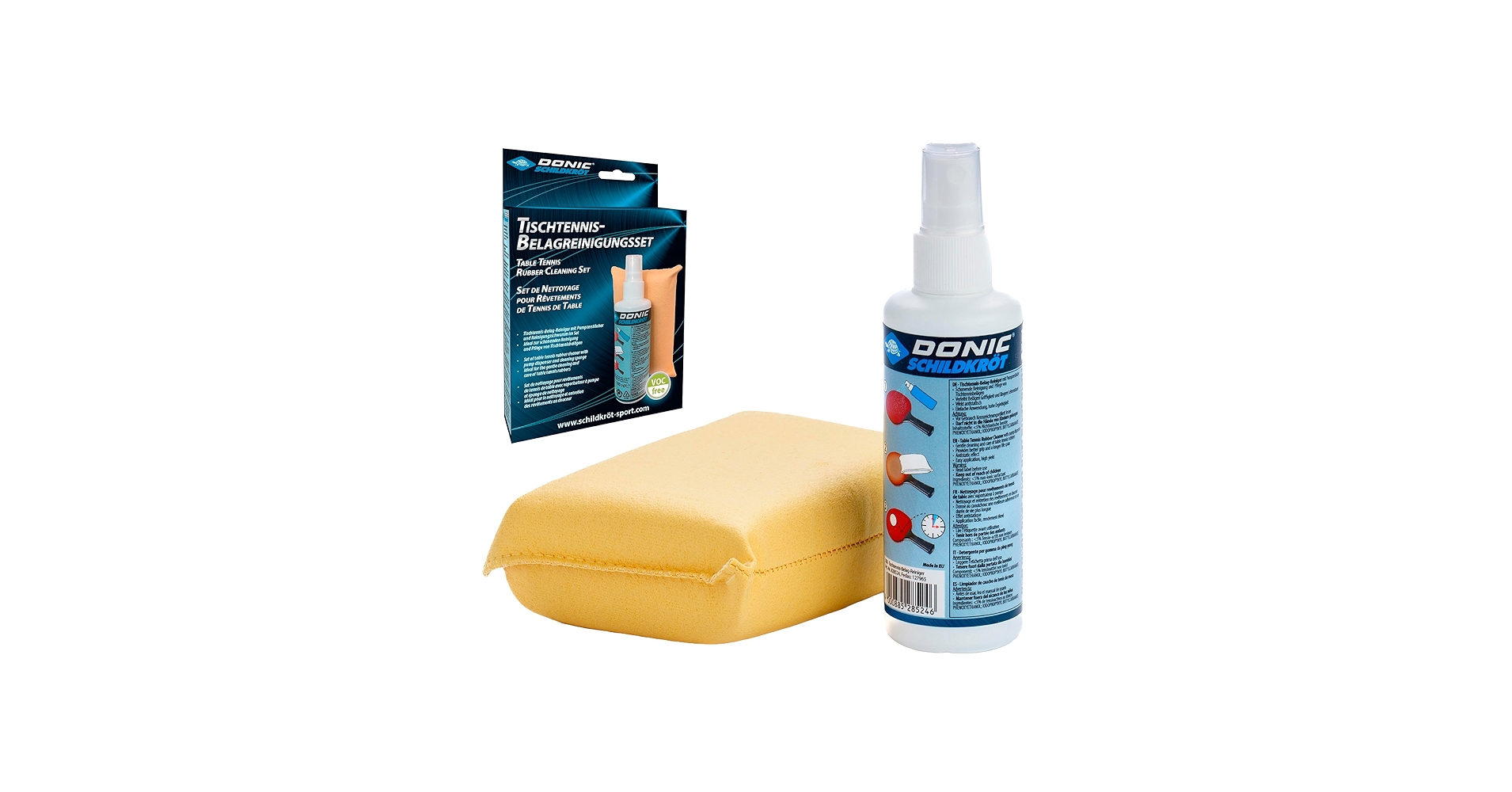
(6) Rubber Cleaner
A rubber cleaner is essential for keeping your rubber in good condition.
For beginners, I recommend an all-in-one cleaner that includes both the cleaner and a sponge.
It makes racket maintenance quick and simple after practice.

(7) Protective Sheet
Using a protective sheet is optional, but it is an effective way to protect your rubber after practice.
It helps keep the rubber surface in better condition and can extend the lifespan of your rubber.
(8) Side Tape
Side tape is protective tape applied to the edge of your racket.
It helps reduce damage if your racket accidentally hits the table during play.
Side tape can also:
- Protect the rubber edges
- Help keep the racket in good condition
- Add color and style to your racket
While it is optional, I recommend it for players who want to protect their equipment for the long term.
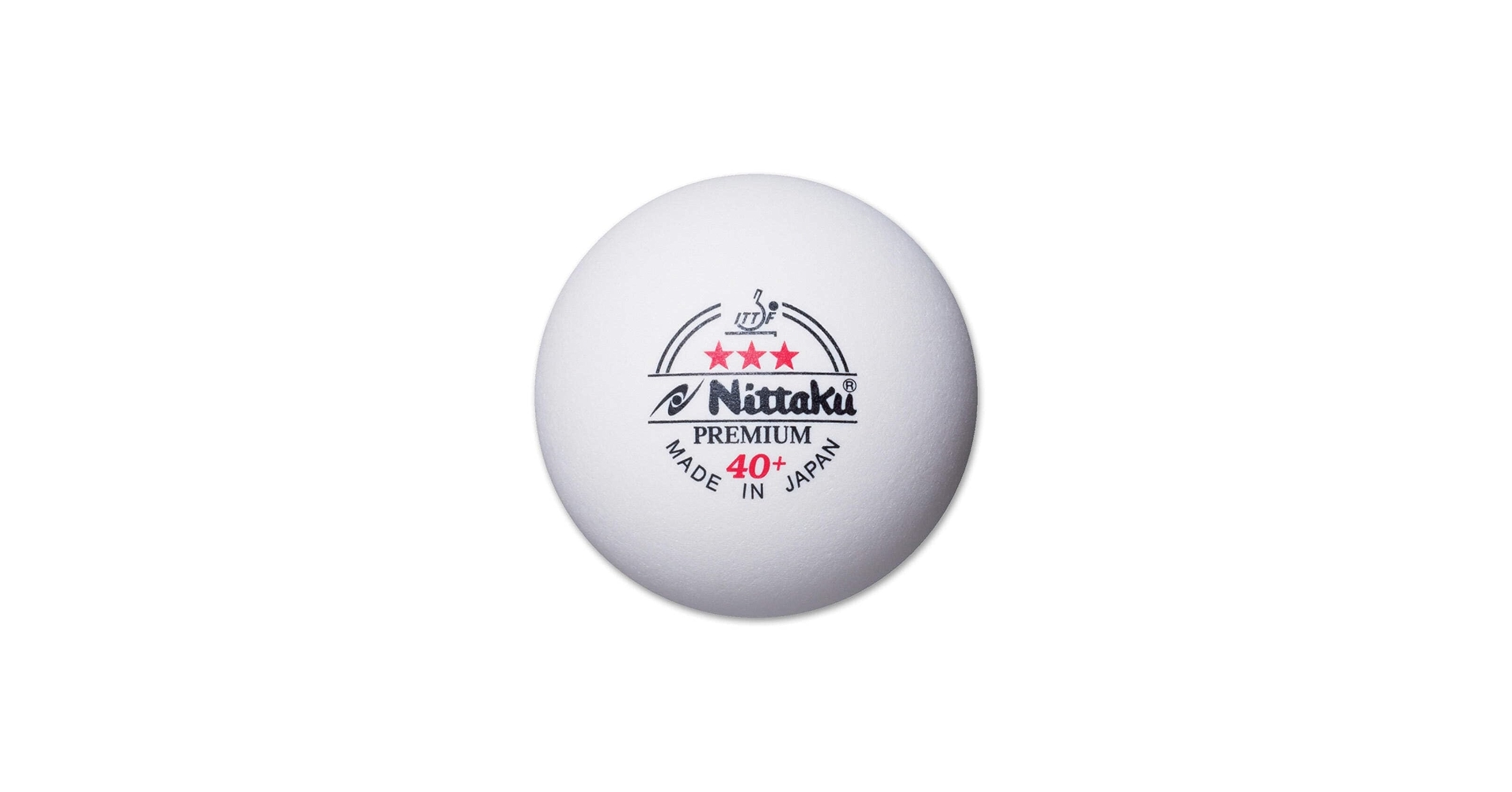
(9) Balls (Competition Grade: 3-Star Balls)
Nittaku 3-Star balls are one of the most trusted and widely used competition balls in Japan.
They are frequently used in official tournaments and are known for their excellent quality and consistency.
If you are not sure which balls to choose, this is a very safe and reliable option for beginners.
For home practice, I recommend using real competition-grade balls so you can get used to the proper feel and bounce.

4. Summary: Start with the Essentials
You do not need to buy everything perfectly from the beginning.
Start with the essential equipment introduced in this guide, and add more items later as your skills and needs grow.
When I first started playing table tennis in junior high school, I also began with very basic equipment. Over time, I gradually learned more about gear through practice and experience.
The most important thing is not having perfect equipment — it is simply enjoying the game and continuing to play.
I hope this guide helps you start your table tennis journey with confidence.
Please also check out the beginner articles below for more helpful tips.


コメント